amigos.org.uk
The website today
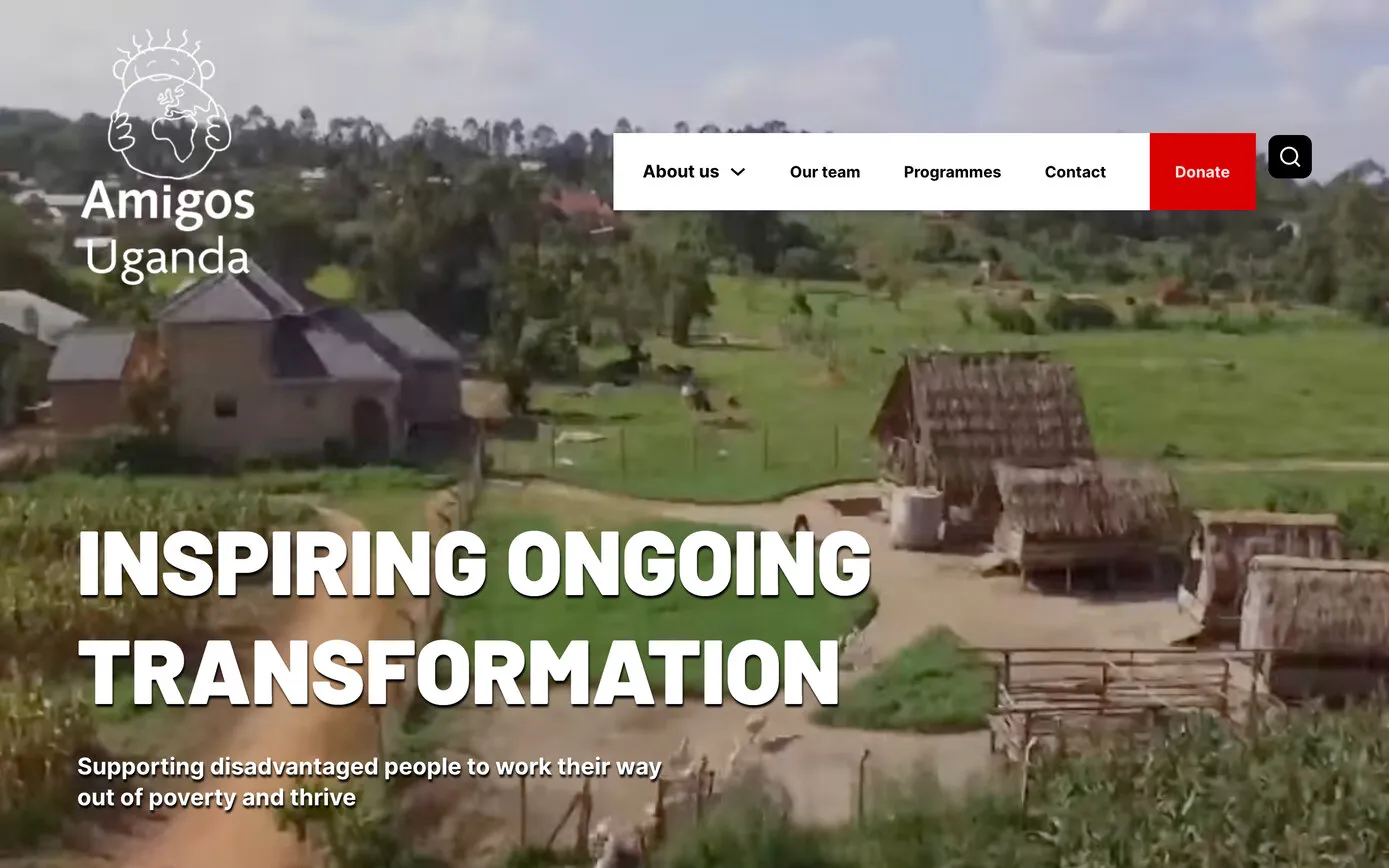
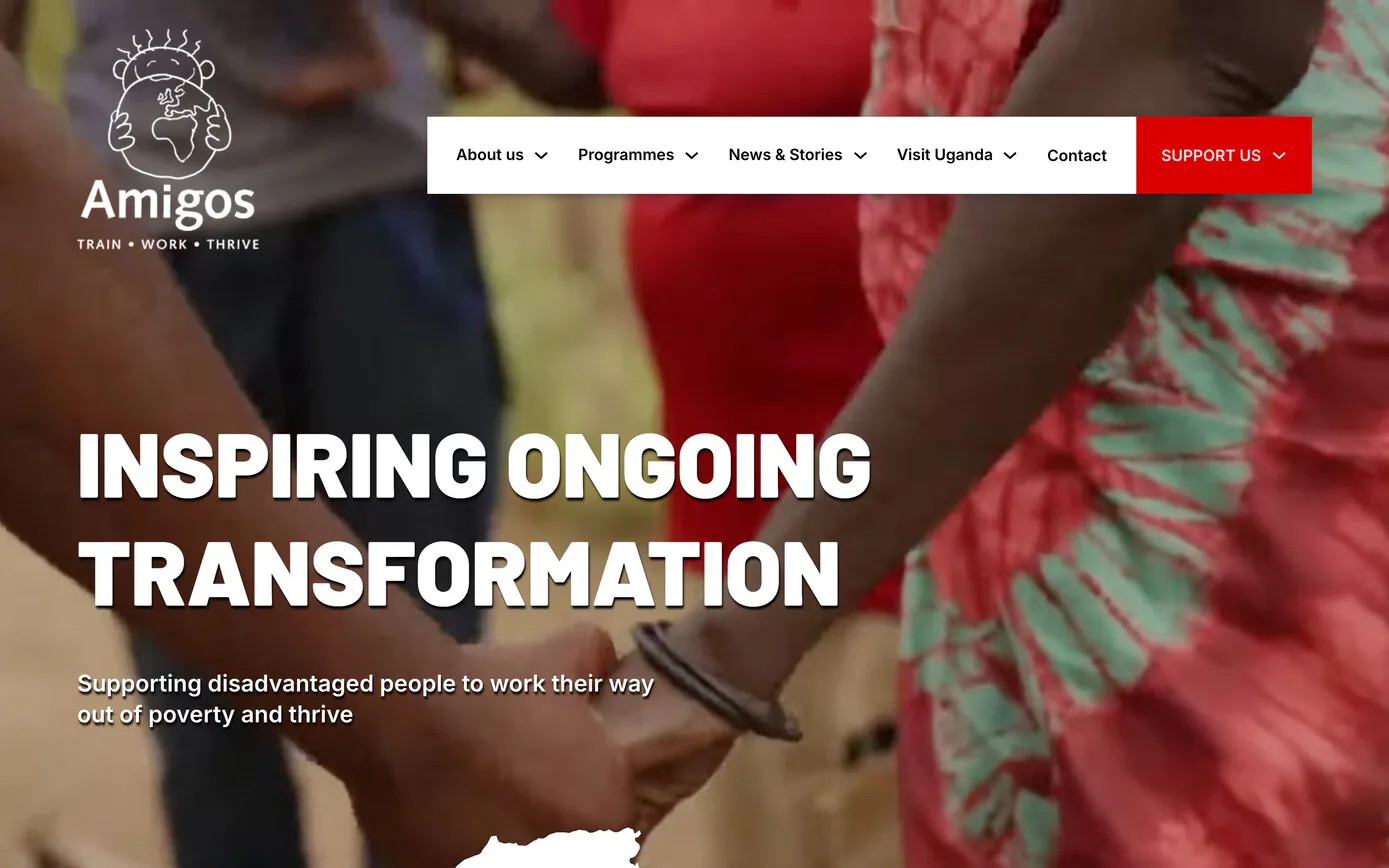
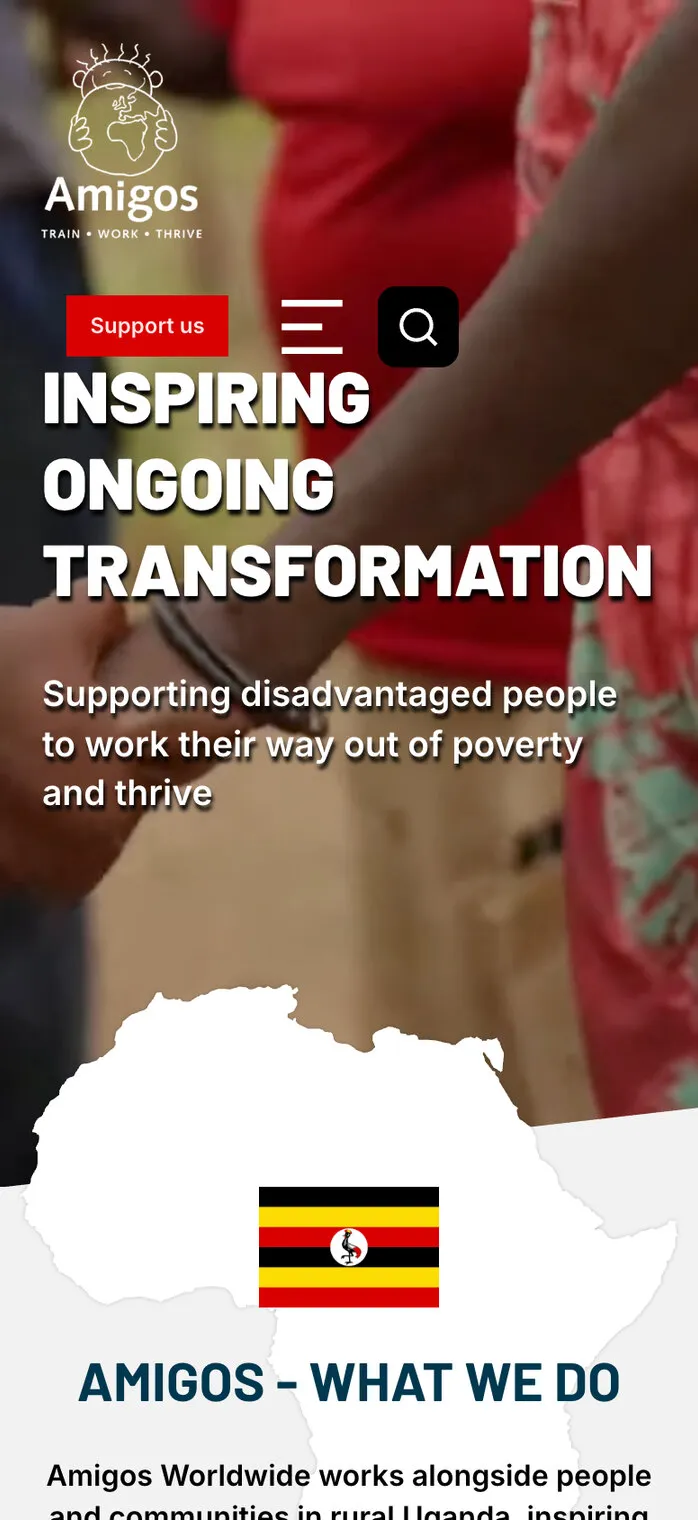
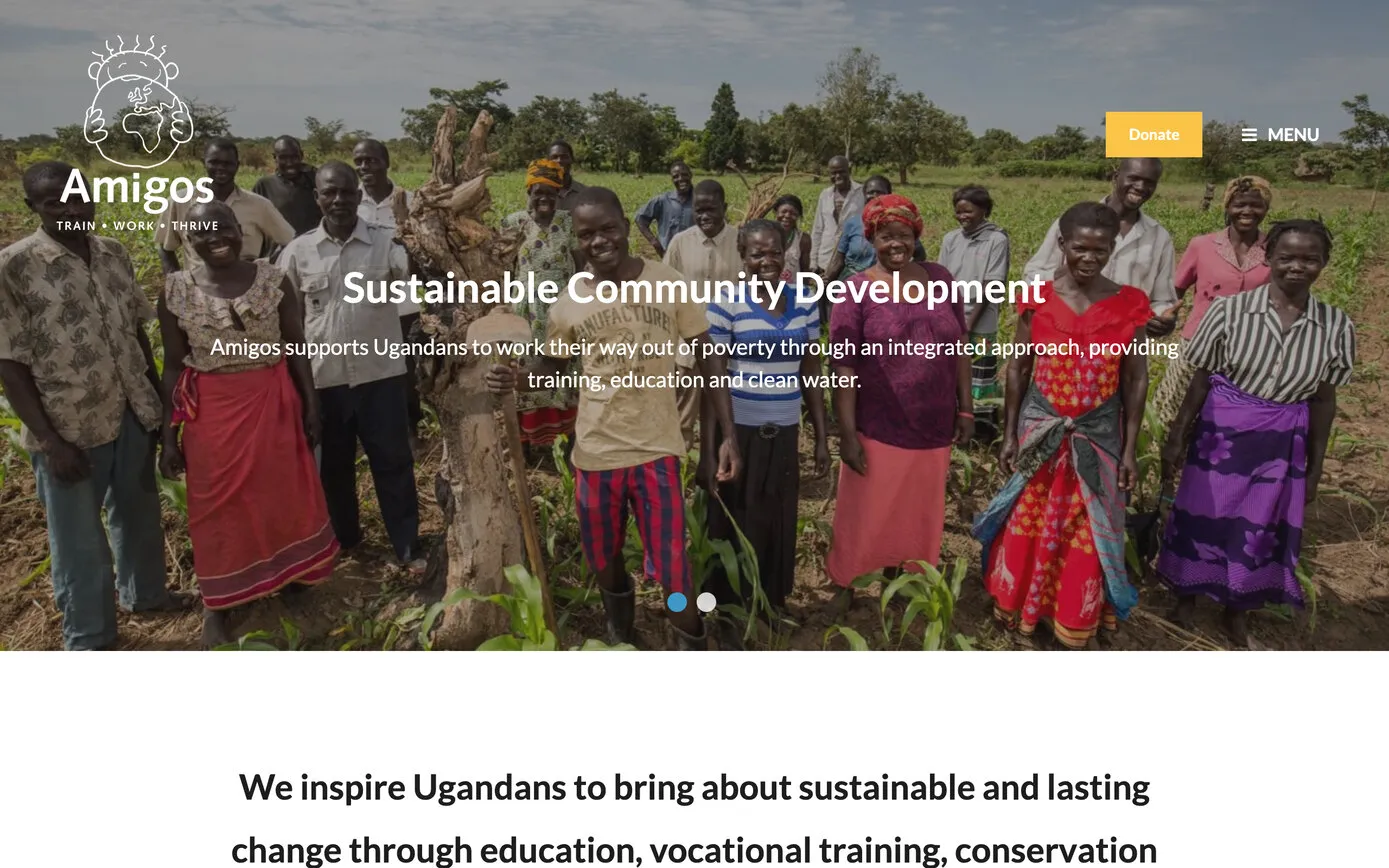
Amigos’ own film runs quietly behind the opening line, and a way to help is never more than a click away.
- Website
- Donations
Amigos Worldwide is a UK charity, based in Barnstaple in North Devon, that works alongside people and communities in rural Uganda. In 2024 their old website, on a hosted charity platform, was about to close. We built them a new one in twelve weeks, with donations, Direct Debits and Gift Aid handled on the site itself, then a smaller sister site for Amigos Uganda, and we’ve looked after both ever since.
Amigos Worldwide was founded in 2000. It works alongside people and communities in rural Uganda through its partner there, Amigos Uganda, a registered Ugandan NGO, while a team of five in Barnstaple, most of them part-time, looks after the supporters who make the work possible.
The work has three strands. At Kira Farm Development Centre, fifty young people a year spend a year learning practical, emotional and life skills. Sustainable Community Development works with a whole community for four years, on clean water, conservation farming and business training. And Family Sponsorship, which Amigos calls child sponsorship with a difference: a child is supported through school while their caregiver joins a community group to learn conservation farming and business skills.
Amigos came to us in January 2024 on a recommendation from another of our clients. Kayte Potter, their Engagement Lead, asked what we could offer, and after our first call the chief executive at the time, Tim Monger, wrote of “a much-needed new website”.

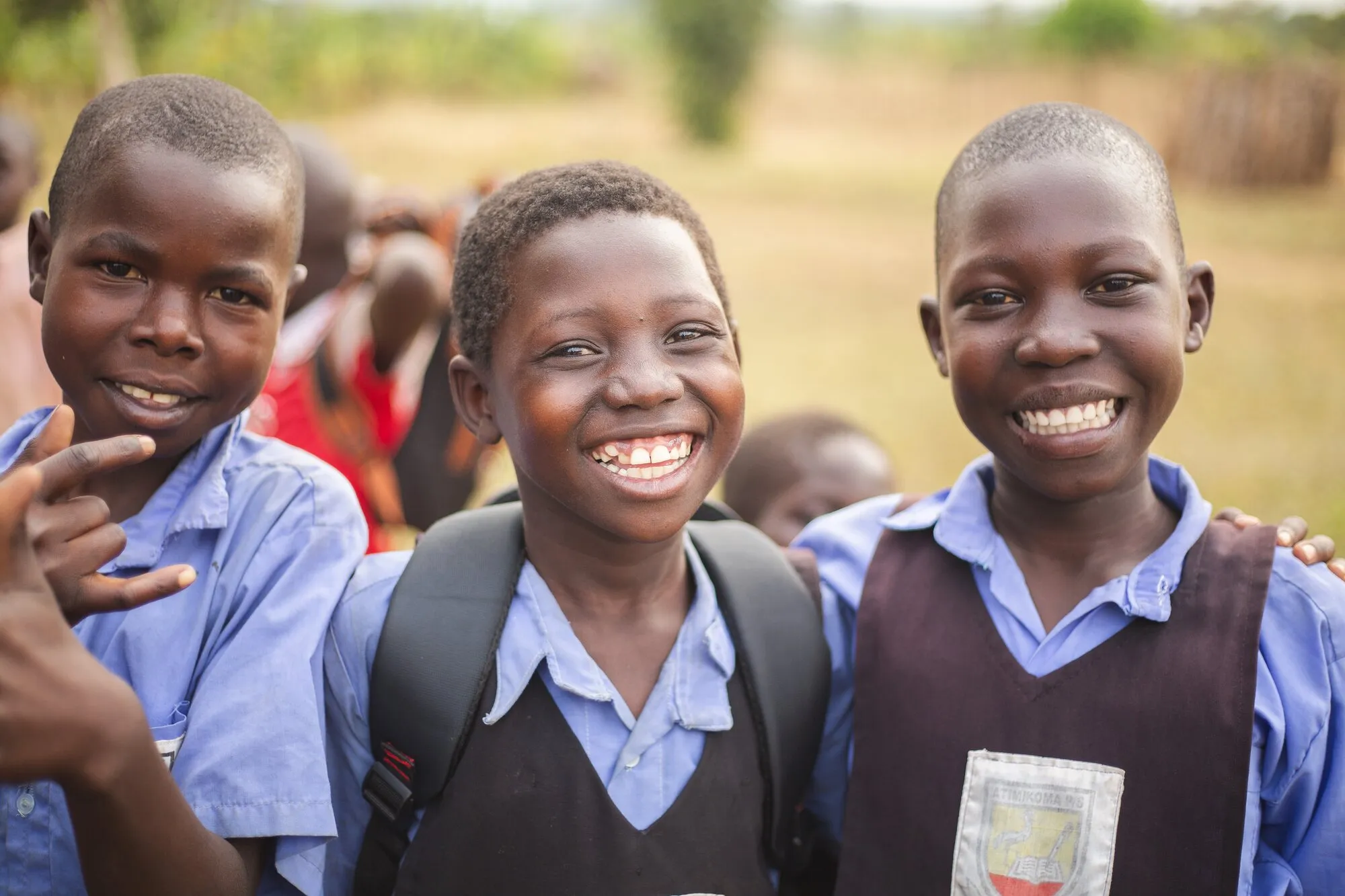
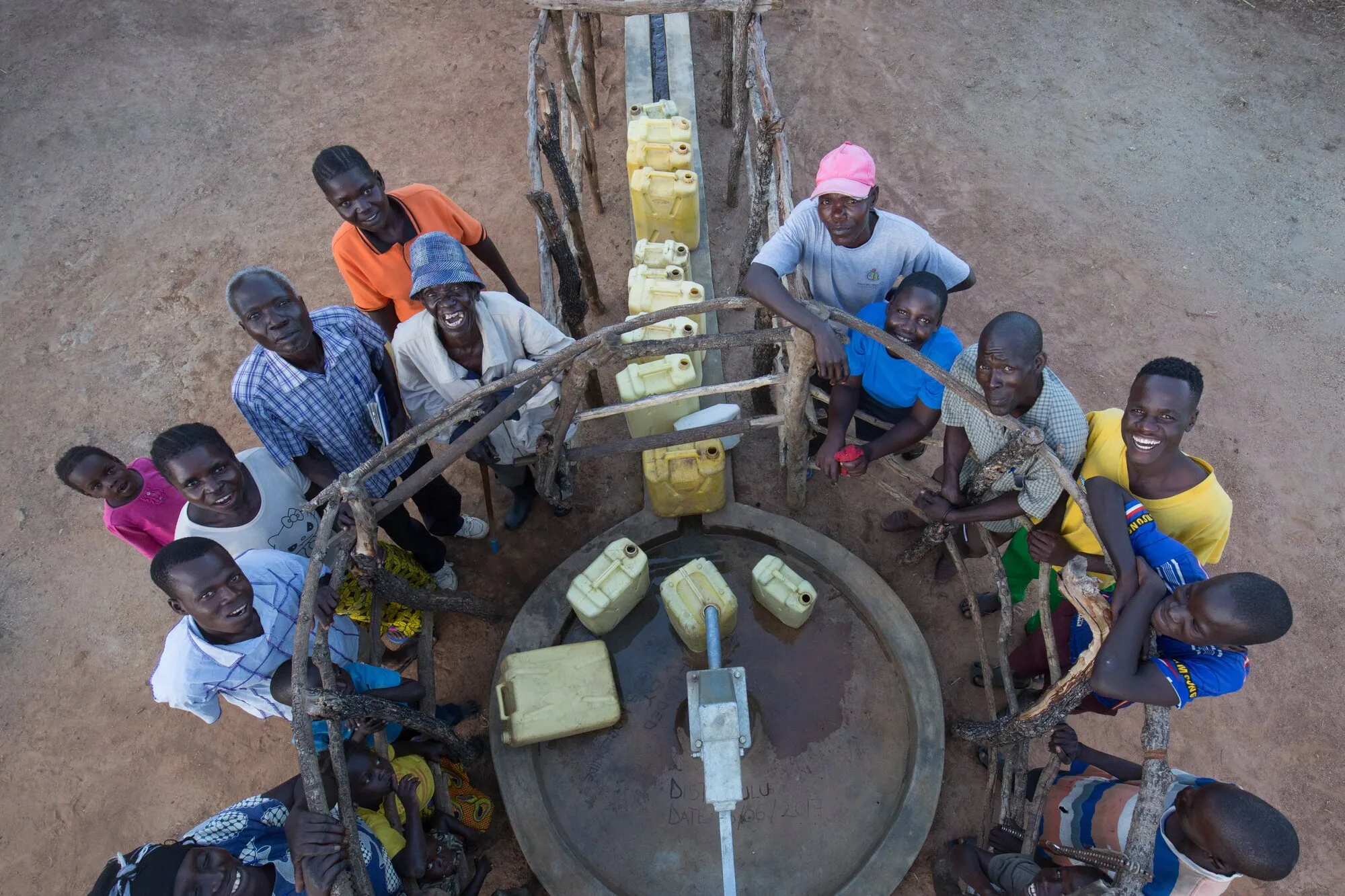
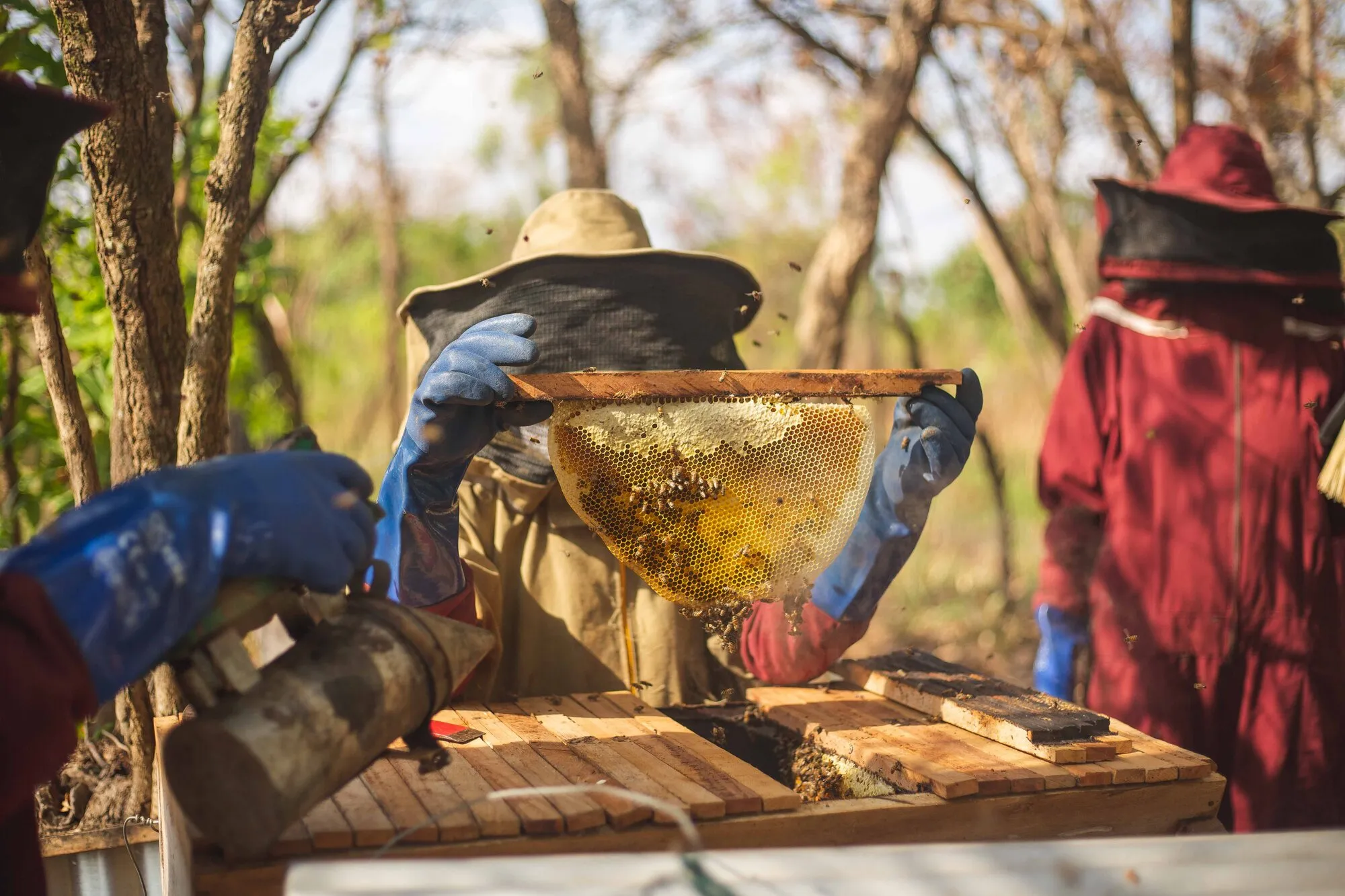
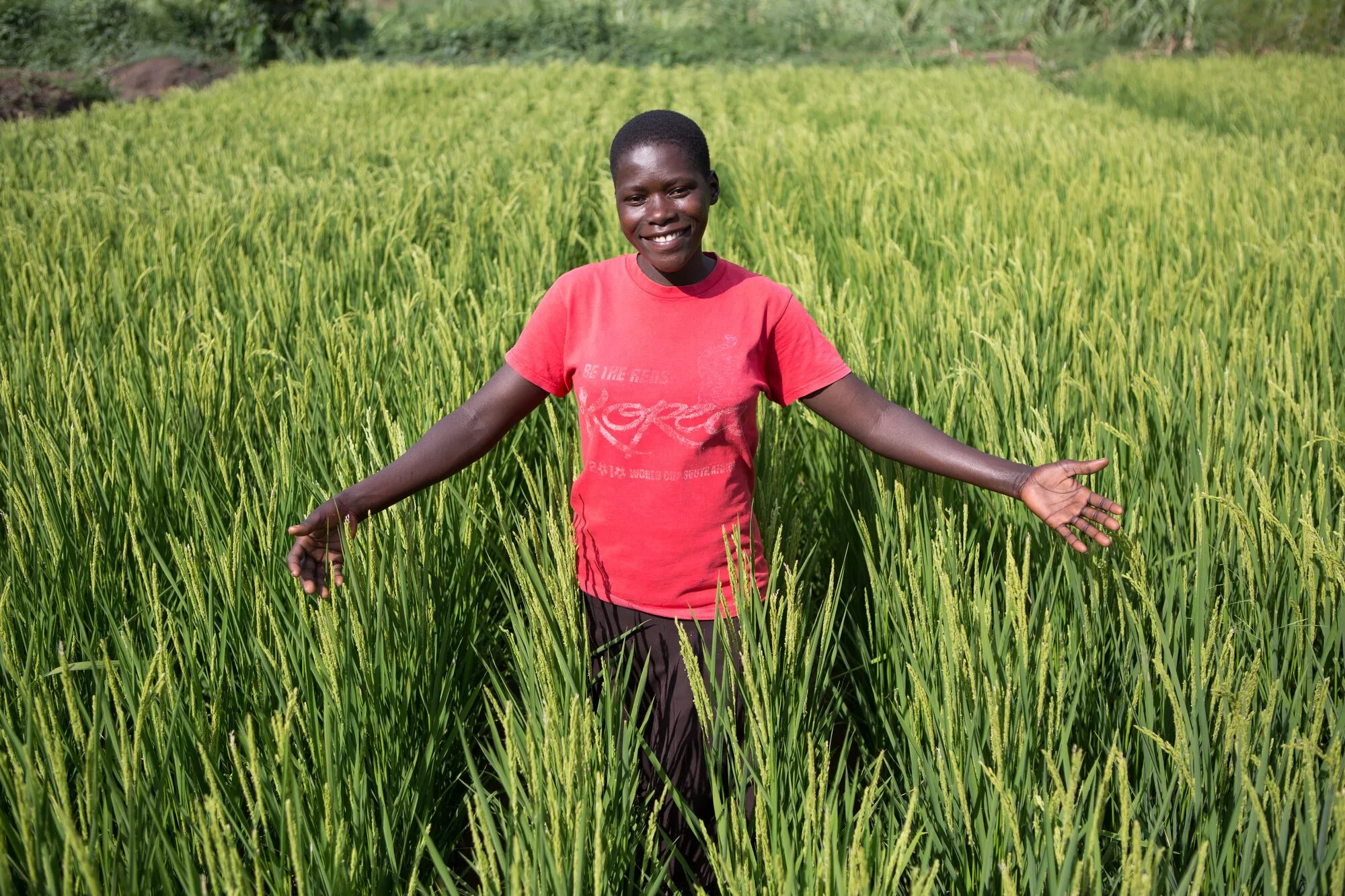
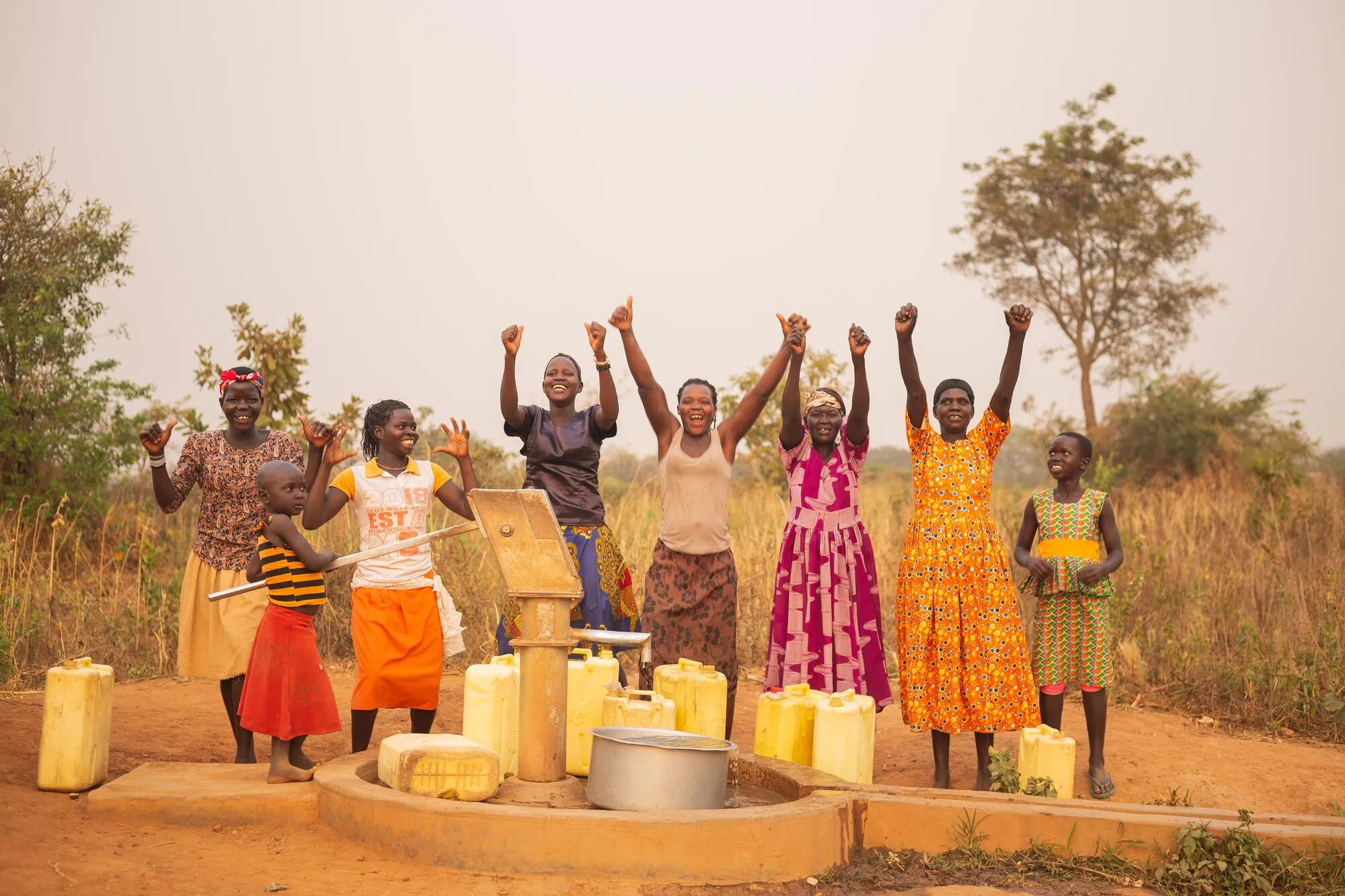
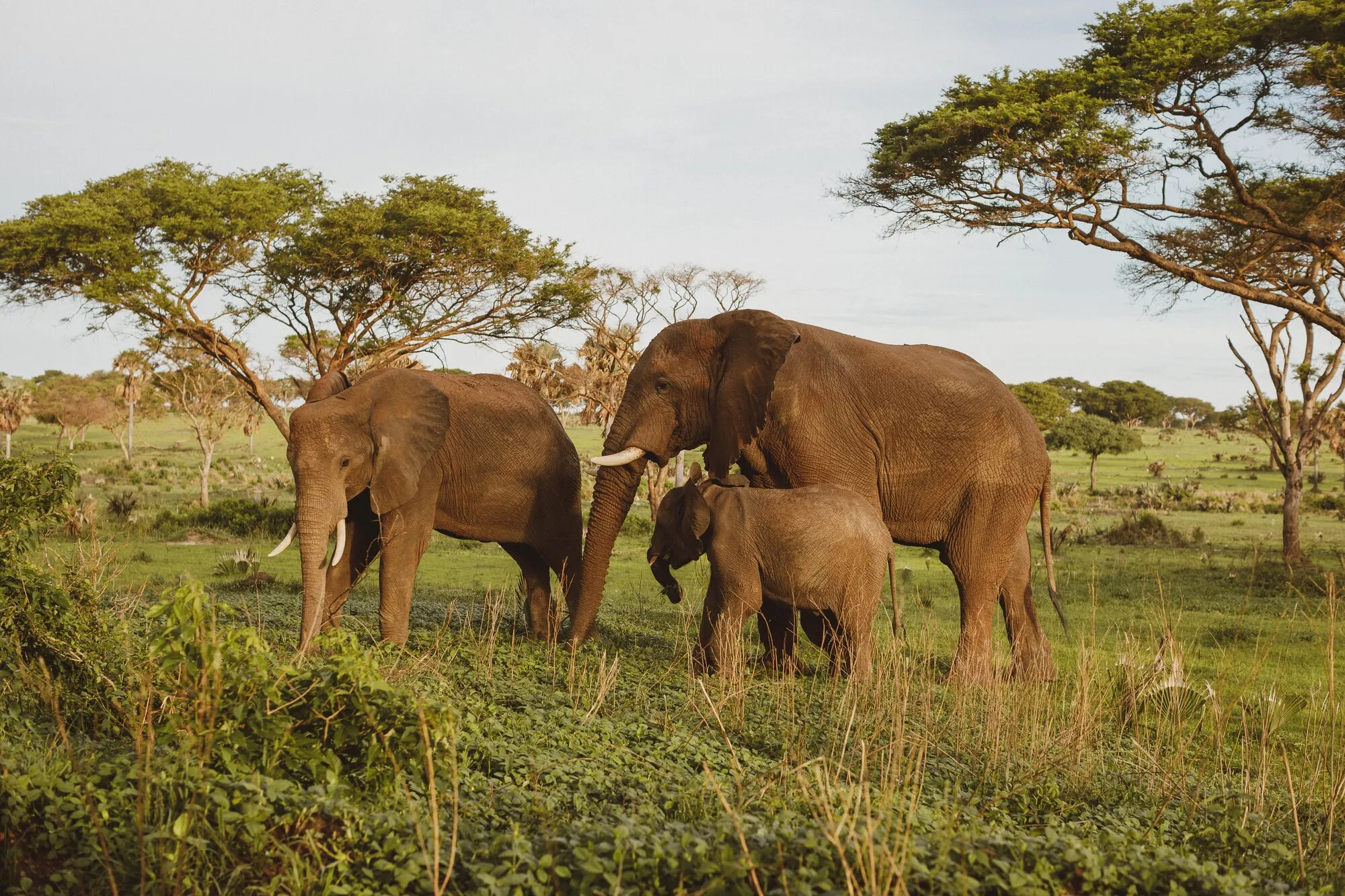
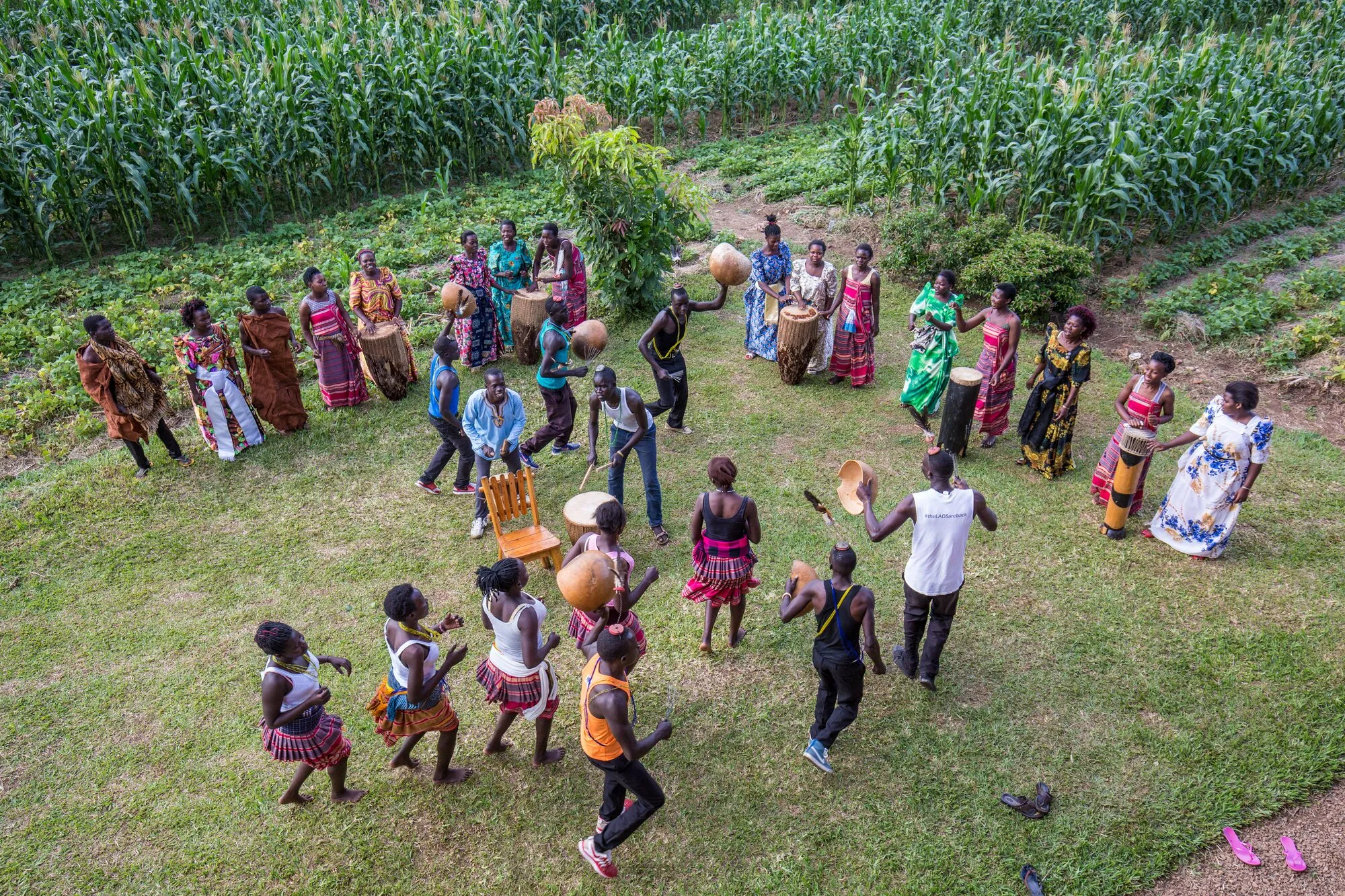
Graduation day at Kira Farm, children in family sponsorship, a borehole from above, beekeeping and a rice field. Photographs from amigos.org.uk.
Since 2018 the old site had run on a hosted platform made for charities. Every page had to fit a set template, so it looked corporate, and it was hard to give an appeal or a story the space it deserved. Even the homepage’s title was just “Amigos Worldwide”, so people searching for something like a Uganda children’s charity weren’t finding them.
The platform’s contract was coming to an end, which set a firm deadline:
…we actually have until 17th April (although let’s say mid-April to be safe) before the website will be closed.
Some things had to come across, because supporters relied on them:
Every page in a set template, with only the design options the platform allowed. This is how it looked in February 2023.
Mock-ups for desktop and phone, built from Amigos’ own design kit and the colours of its logo. The team left their comments straight onto the design.
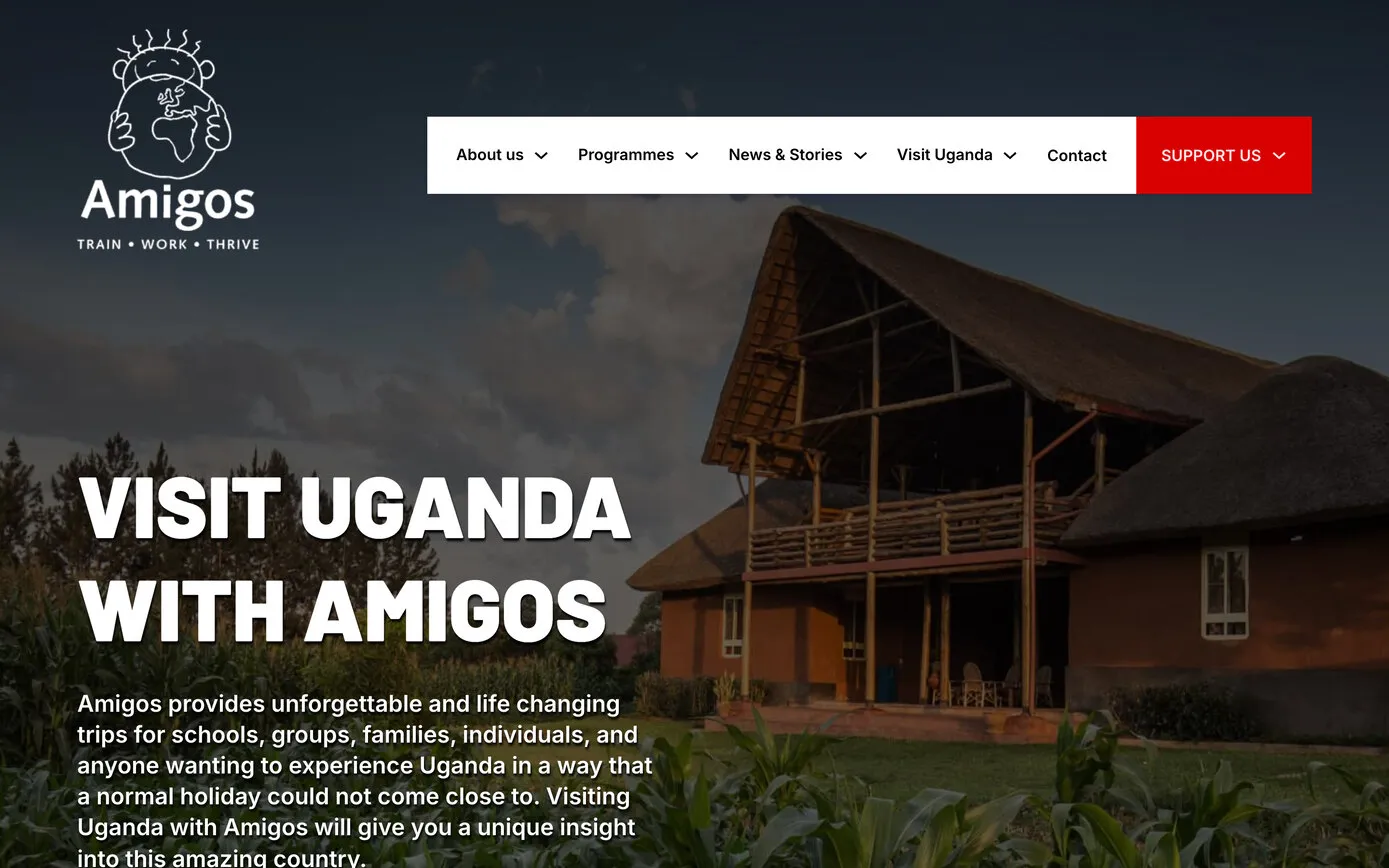
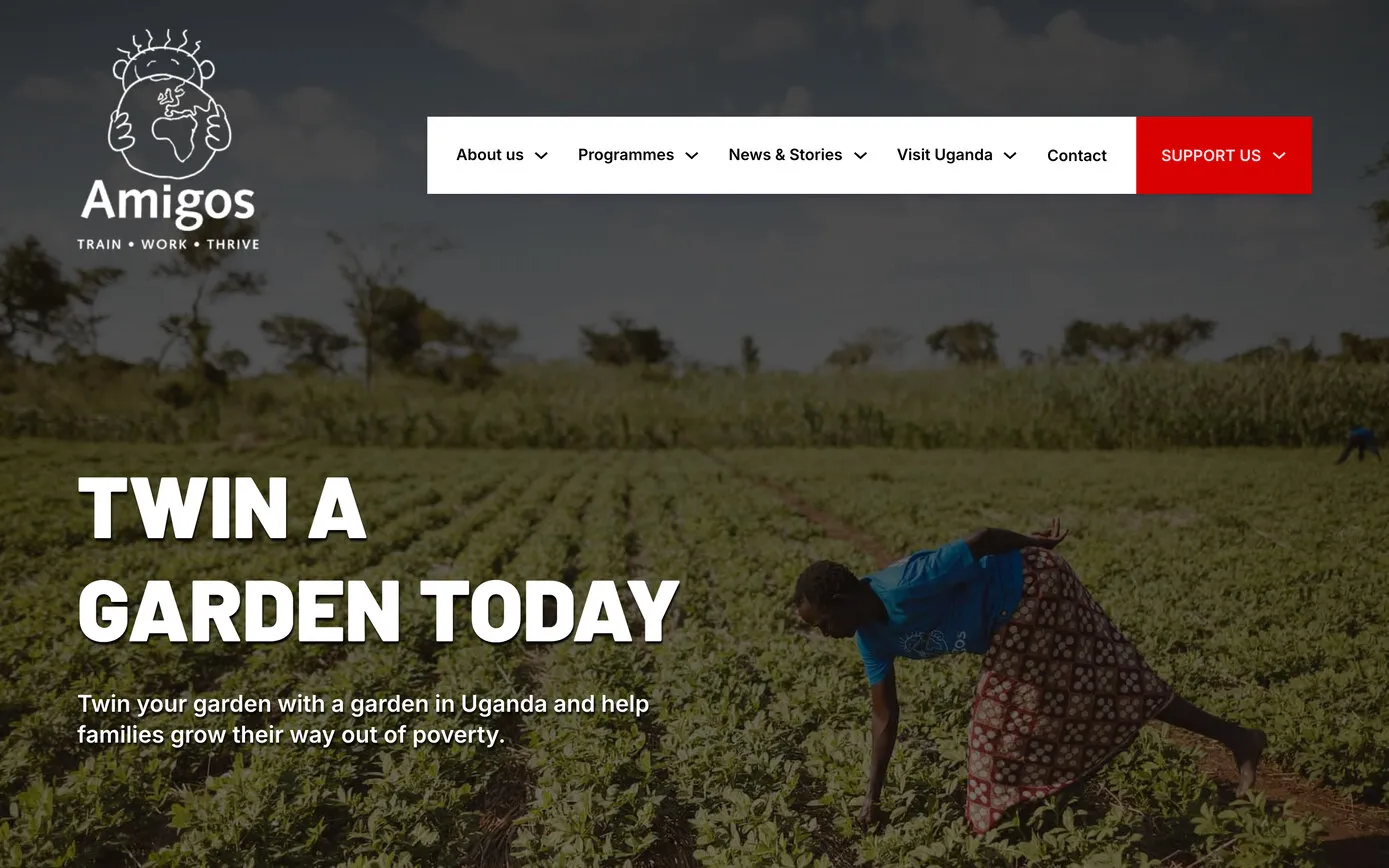
Their own photographs and film, bold headings, and a red Support us button on every page.
The 2023 version from the Internet Archive’s Wayback Machine. The February 2024 design is our mock-up.
We started with two calls and a written proposal that set out the choices, with the pros and cons of each: taking donations on the site or through an outside service, which shop system to use, and how to run the Ambassadors’ area. Amigos chose, and we got going.
Everything ran through one shared document, the single place for every page’s words, with a site map taken from the old site. Amigos wrote the copy and sent about 165 of their own photographs and a short film of their work in Uganda, so the people on the site are real, not stock.
The homepage was designed first, for desktop and phone, in Figma, where the team could comment right on the design. We kept it light on text, with plenty of pictures and space, and left the detail to the inner pages. Then came the site itself, on a private address, where Tim and his colleague Jodie pinned their comments to each page (“Can this say Christmas and not Xmas?”), and every one was answered.
Before anything went live, every donation form was tried with test cards, so the team could see exactly what a donor would see without any real money changing hands. As the old platform’s closing date approached, Amigos asked to bring the switch-over forward, and the new site went live on 16 April 2024, with the existing Direct Debits moved across to the new donation system.
It looks fantastic! Thank you for your diligence and efficiency during the process as well as the thorough quote you sent at the outset.
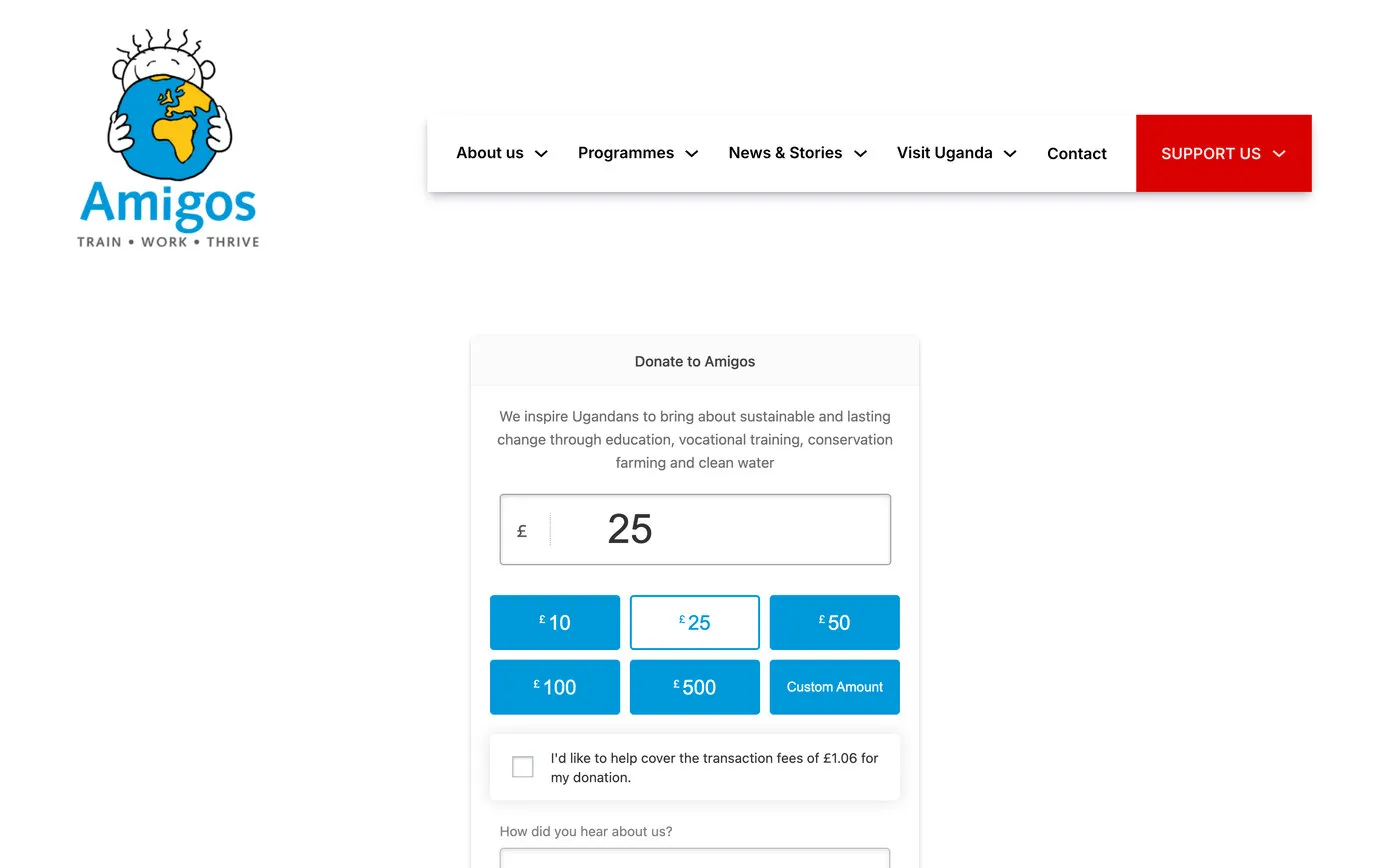
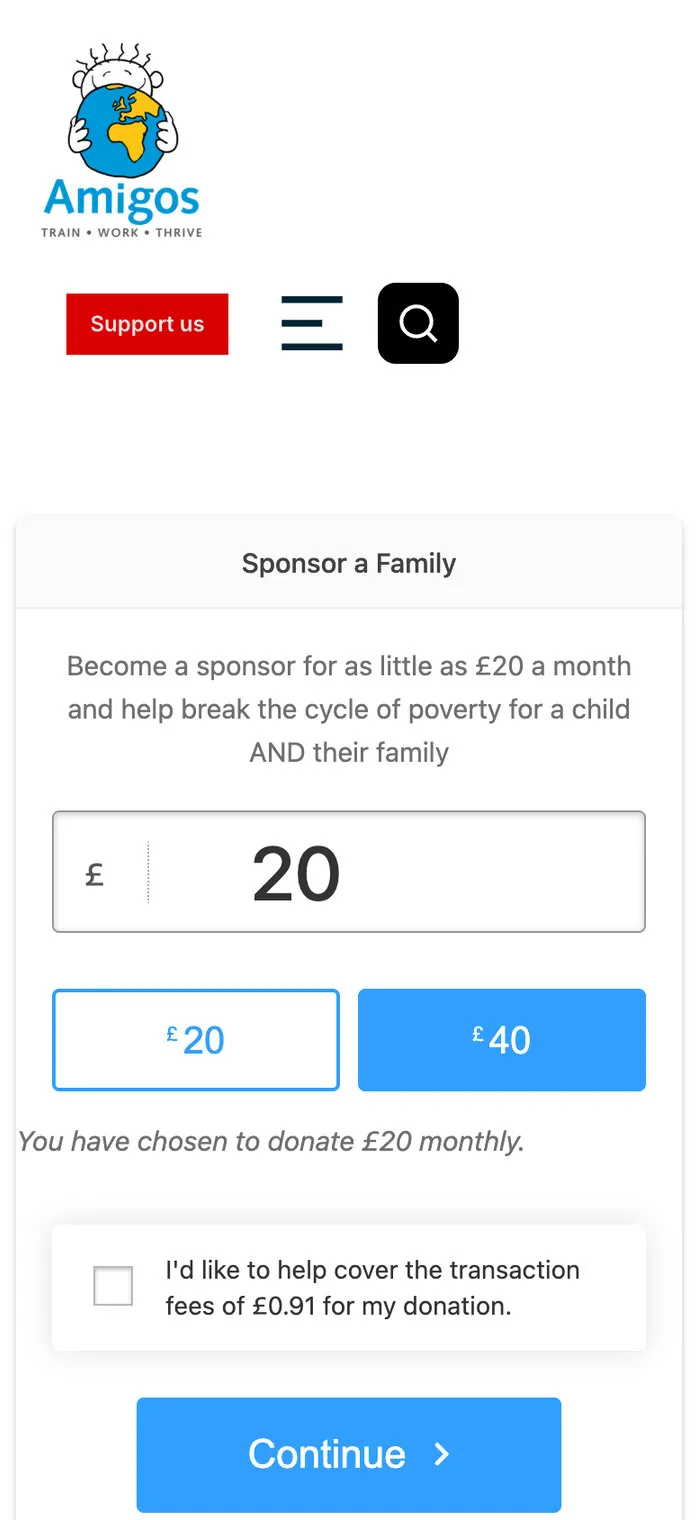
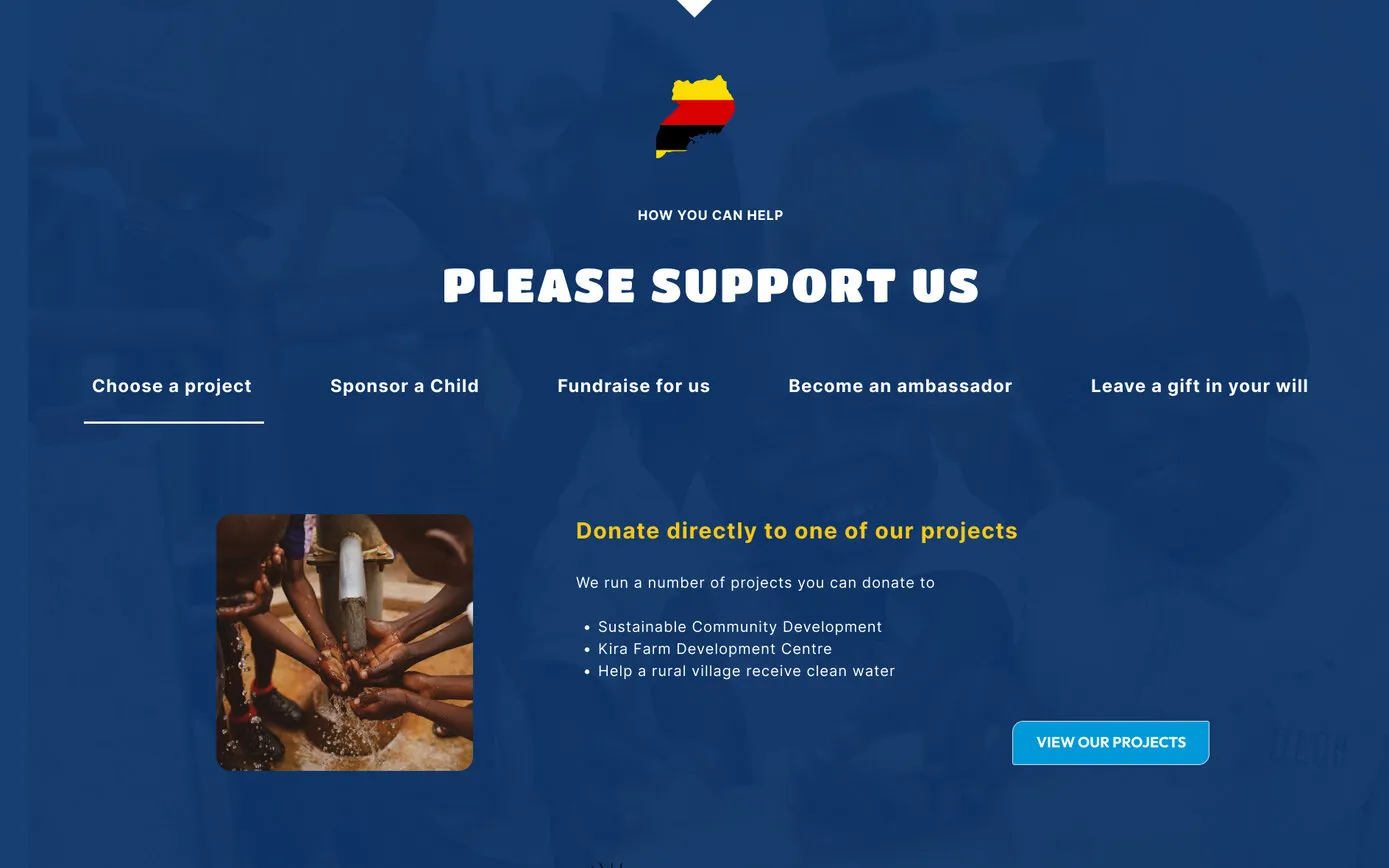
Donations are taken on the website itself, rather than sending supporters off to another site part-way through. One-off and monthly gifts, sponsoring a family or a Kira Farm trainee, and gifts to a particular programme each have their own form. Cards go through Stripe and Direct Debits through GoCardless, donors can add Gift Aid and choose to cover the transaction fees, and the office downloads its Gift Aid reports from the dashboard.
Amigos tries to thank every donor within a day, so the office needs to hear about a gift straight away. Direct Debit gifts were only reported once the payment had gone through, days later, so we changed that, and now the office is told as soon as someone gives:
Yes we received the notification just minutes after the donation was made! Thank you for sorting this out.
Giving has to just work, so we keep a close eye on it. When an appeal’s progress bar counted a failed payment, we showed the makers of the donation software with a screen recording, and they fixed it in their next release. The donation pages are kept out of the cache, so a form is always up to date.
In 2026, bots started using the forms to try out stolen card numbers. As we explained to the team, they weren’t after Amigos’ money: a donation form is simply a free way to check which cards still work. We added spam checks, Amigos set a £5 minimum gift, and when a filter later turned away a genuine supporter, we loosened it, because nothing should get between a donor and their gift.
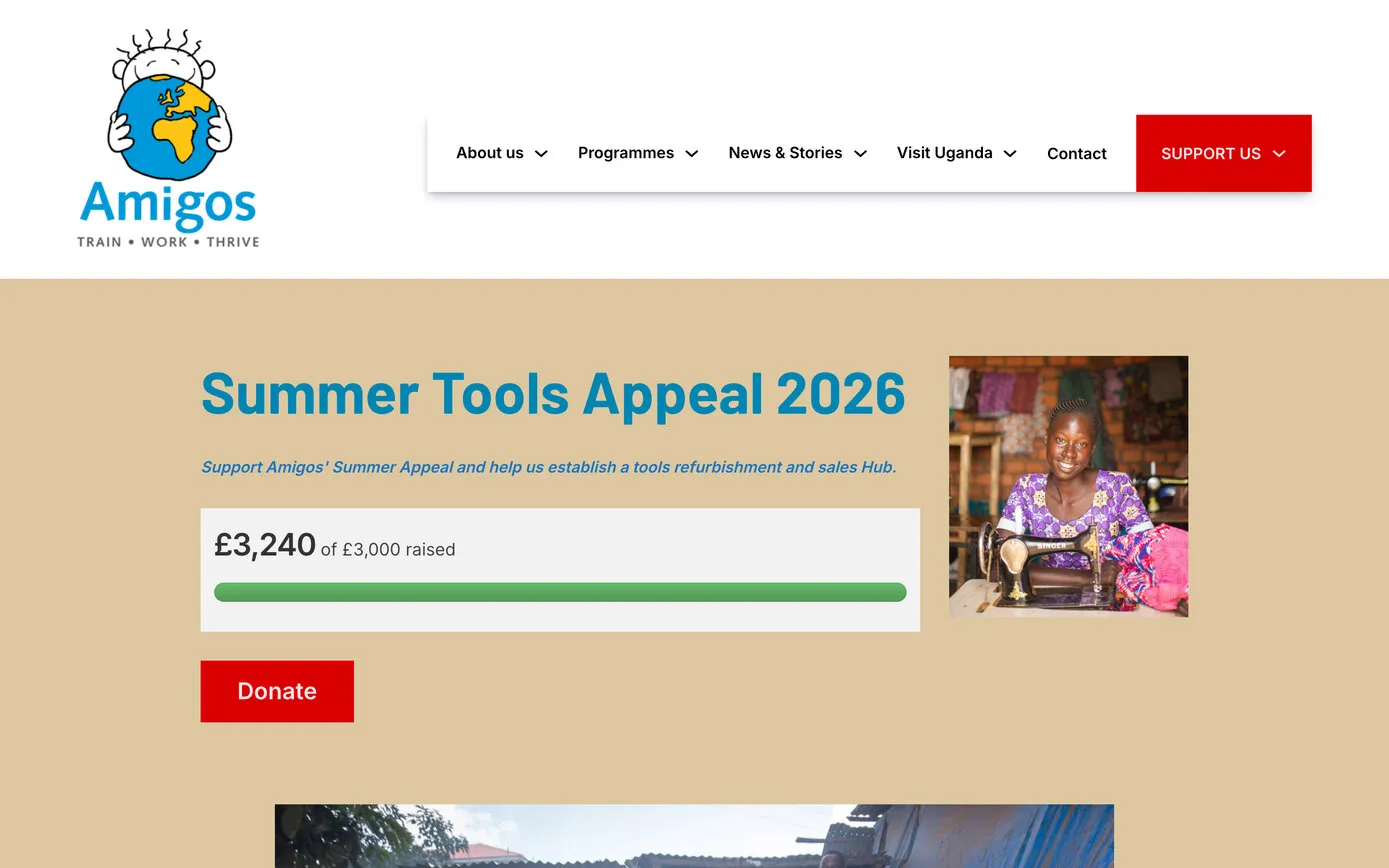
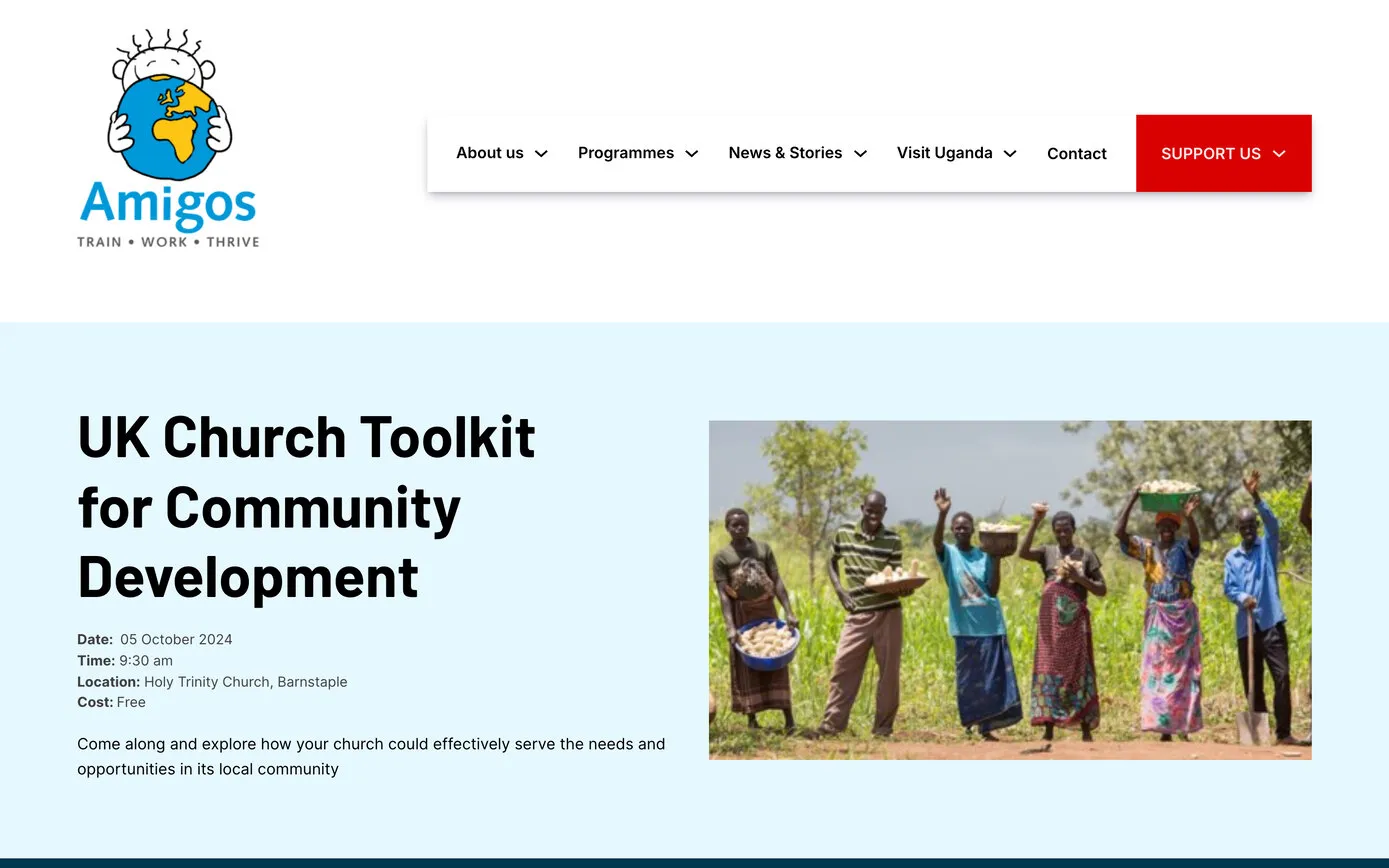
A month after launch, Tim came back with a clear brief. He had looked at how other charities show their appeals and events, and liked what he saw:
Their current appeals/events are unmissable (you don’t have to search for them or dig them out) and they don’t get in the way of website if you are looking for something else.
He also wanted the team to be able to do it themselves, as they had on the old platform. So appeals and events became their own kind of content, each filled in through a simple form in the dashboard:
The design choices open to the team were kept deliberately few, so every appeal looks as good as the last. It was all live by the end of May, with a short walkthrough video and a training session, and in June the team ran an online evening about Kira Farm through the new events pages.
We also recorded six short how-to videos, for adding stories, news, team members, partners, reports and policies, on a help page for staff. Within a few weeks the team were publishing for themselves:
Kayte and I have both done blogs following your video. That was quite straightforward.
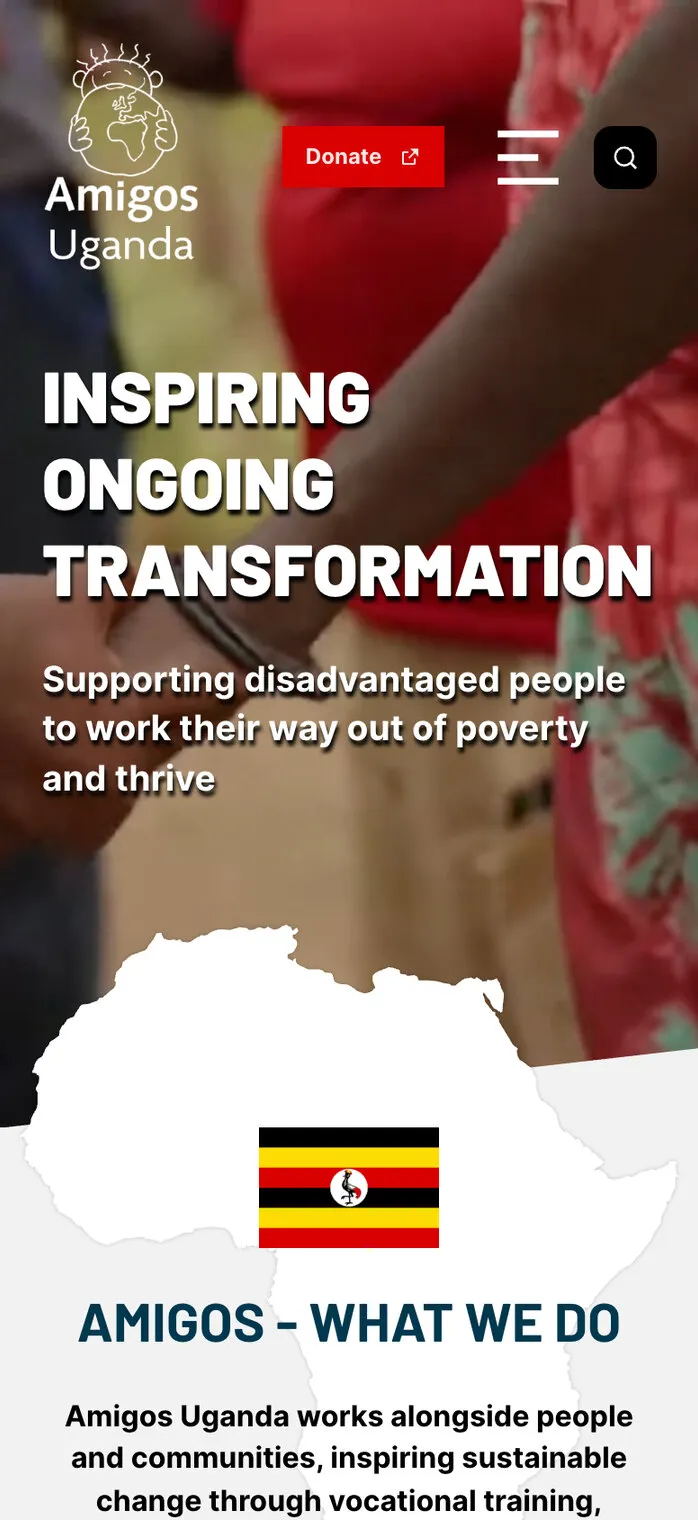
Amigos Uganda, the charity’s partner in Uganda, didn’t have a website of its own, so alongside the UK site we built a smaller sister site, amigos.org.ug, in the same design: home, about, programmes, the team, contact, visits and donations. We suggested giving it its own words rather than copying the UK pages, which is better for search, and at first its programme pages linked to the UK site’s, so there was only one place to update them.
The address is registered in Uganda, so going live meant working through the settings with the Uganda team at a distance. We found the stray record that was stopping the security certificate from working, set up the site’s email so contact form messages arrive, and it went live in January 2025. Its donate page says “coming soon” while Amigos Uganda sets up mobile money payments.
In November 2025 we gave the Uganda team their own editor login and a written guide, explaining what they can update themselves, like team members and news, and why the designed pages are best left alone:
Thank you for the detailed background and clear instructions regarding our website updates.
In February 2026 the site became fully independent. When Amigos Uganda applies for grants, it needs to show that it’s a separate organisation, so we copied the programme pages across, took out the UK donation links and sterling prices, and wrote it a privacy page of its own.
James Lewis joined as chief executive in April 2025. We set up his login within the hour and explained how the site works: the team add news, stories, appeals, events, FAQs, team members and policies through simple forms, while the page builder the site is designed in, Bricks, stays with us, so the look stays consistent. His reply:
I’ll go easy and not touch the bricks!
Since then the work has followed the charity’s plans:
I’ve had a look through all the pages and they look good to me. I think you have interpreted my Word docs as intended.
A few weeks after the launch, Amigos told its supporters about the new site in its newsletter:
Huge thanks to Clifton Media for working with us on this and creating a beautiful website!
There are no figures from the old platform, so we can’t offer a before and after, and the gifts themselves are the work of the charity and its supporters. What we can point to is a site the team runs day to day: appeals, events, news, stories, job adverts and team members all go up without waiting for us, and supporters have written 353 letters to the children they sponsor through the site since it launched.
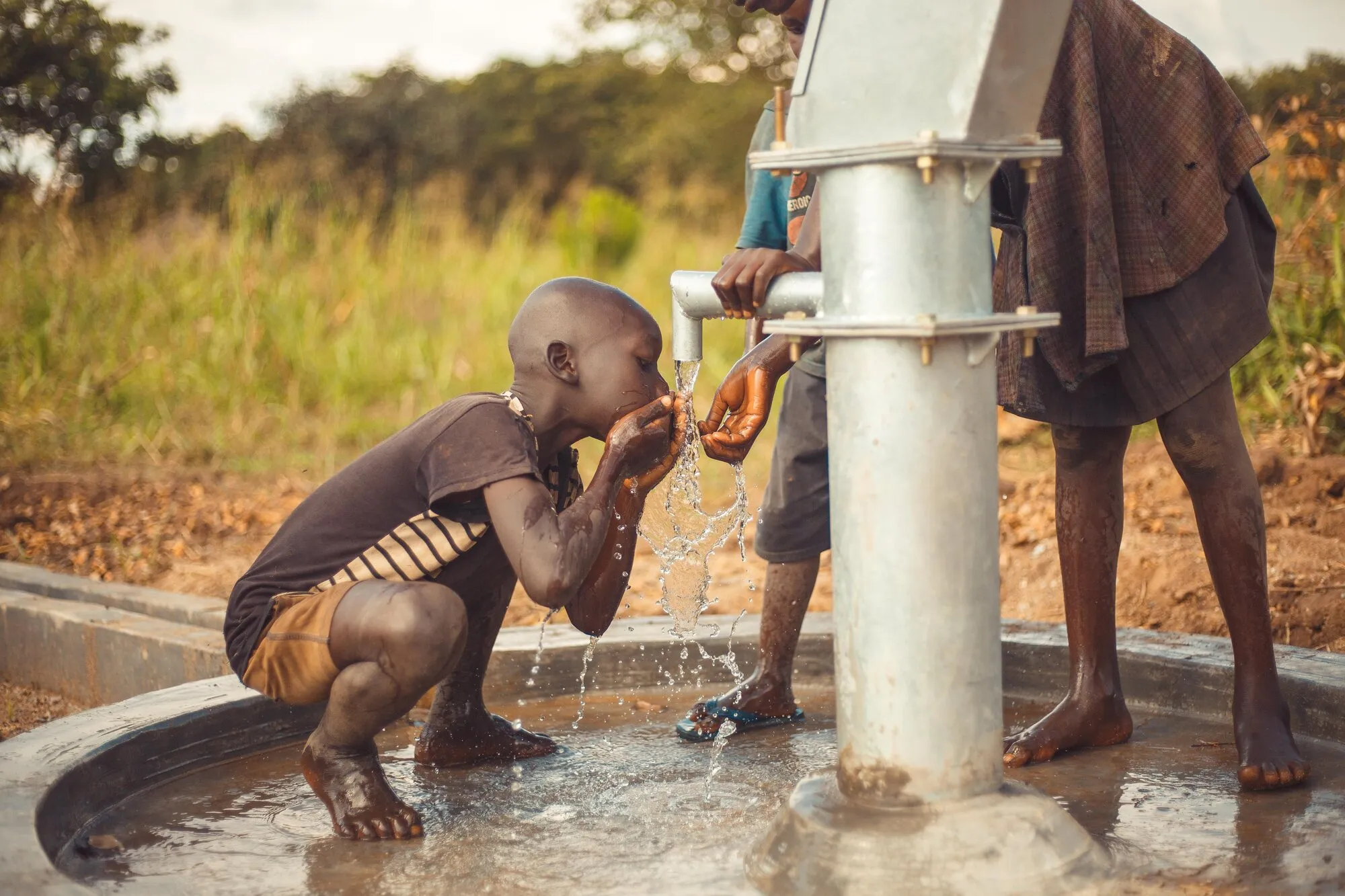
The big appeals run through it too. Amigos told its supporters that the Christmas 2025 appeal, Let It Flow, raised more than £42,000 with match funding, enough for eight boreholes serving more than 6,000 people. That’s the charity’s achievement; the website’s job is to make giving easy.
Stories, appeals, events, jobs, team members, policies and FAQs are all structured content, so the team add them through simple forms without touching the design. Both sites are on managed hosting, with updates, daily backups and uptime monitoring.