nickcartwright.com
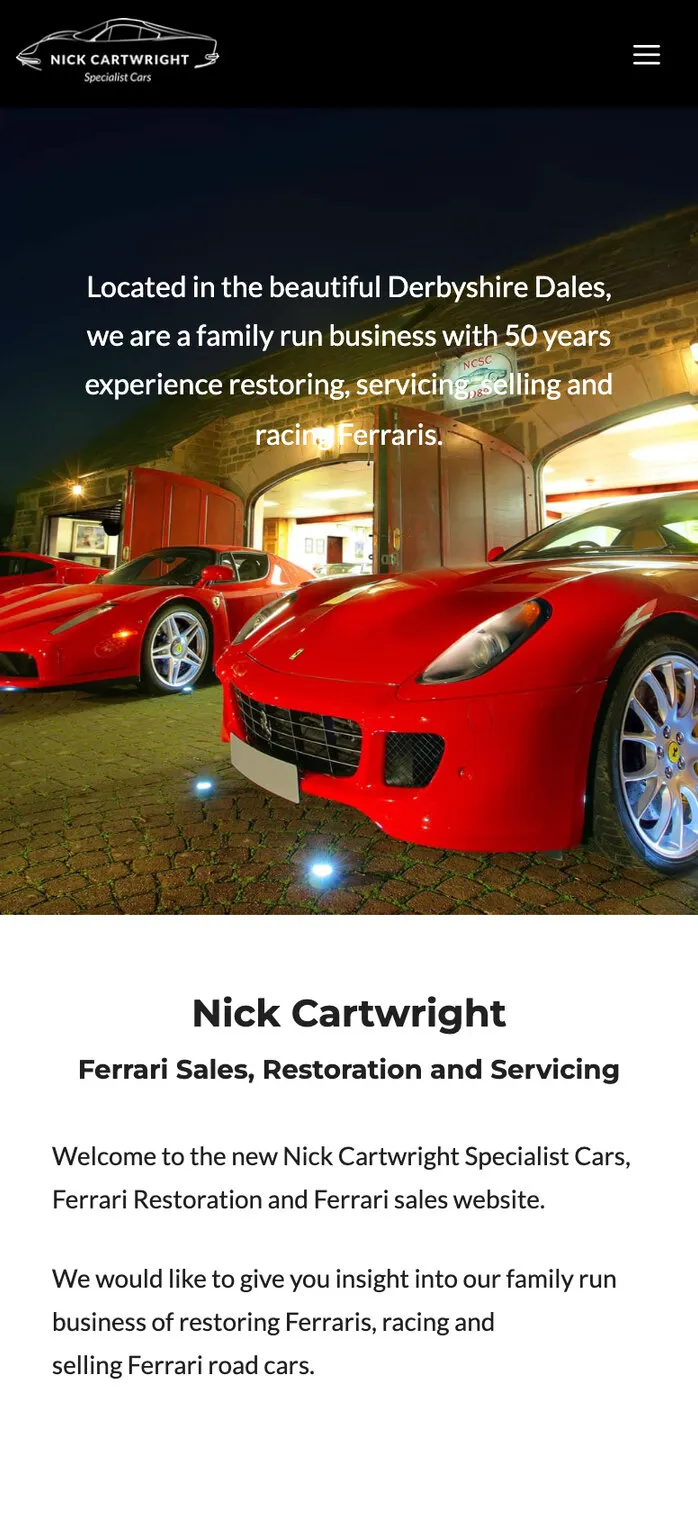
The website today
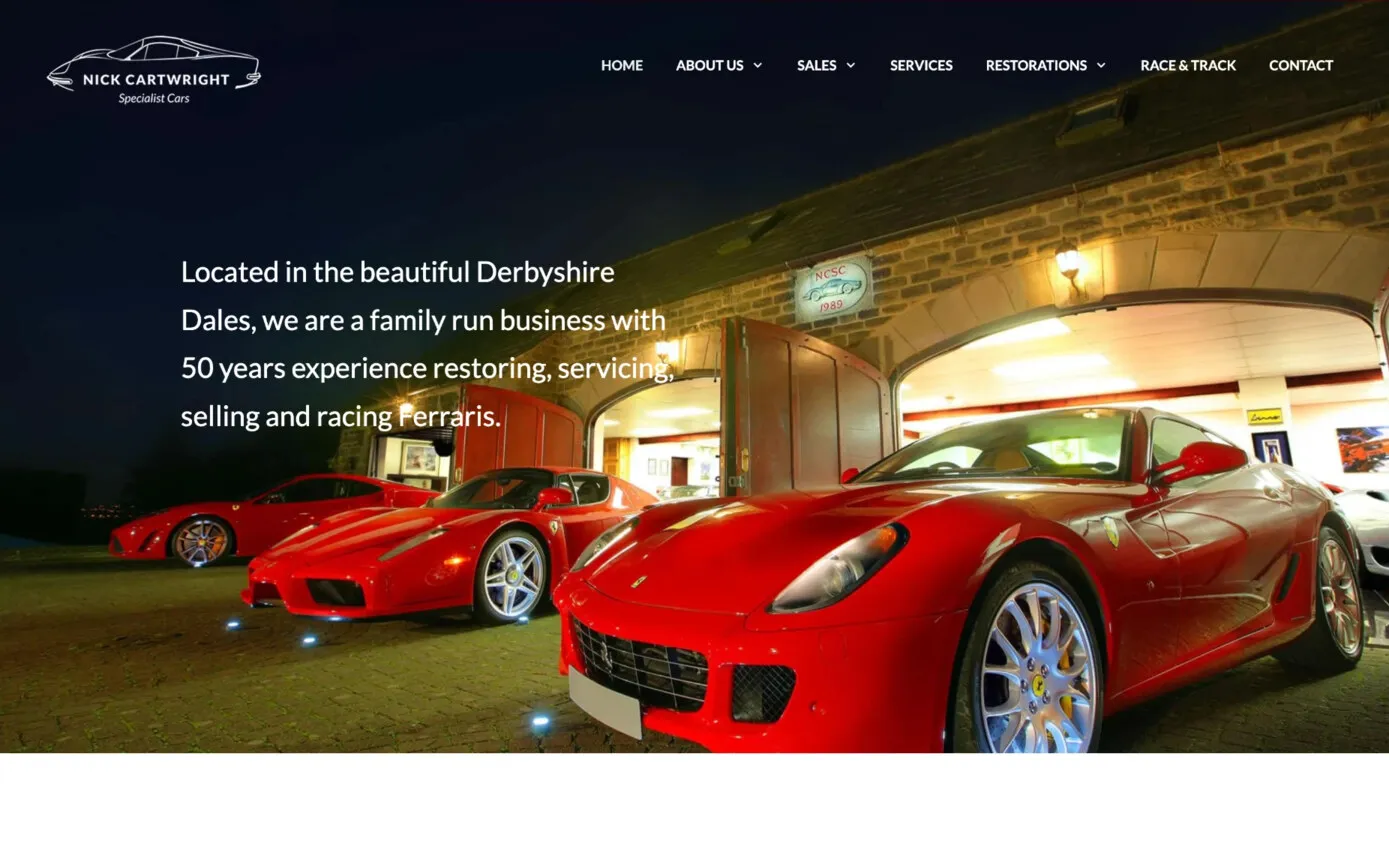
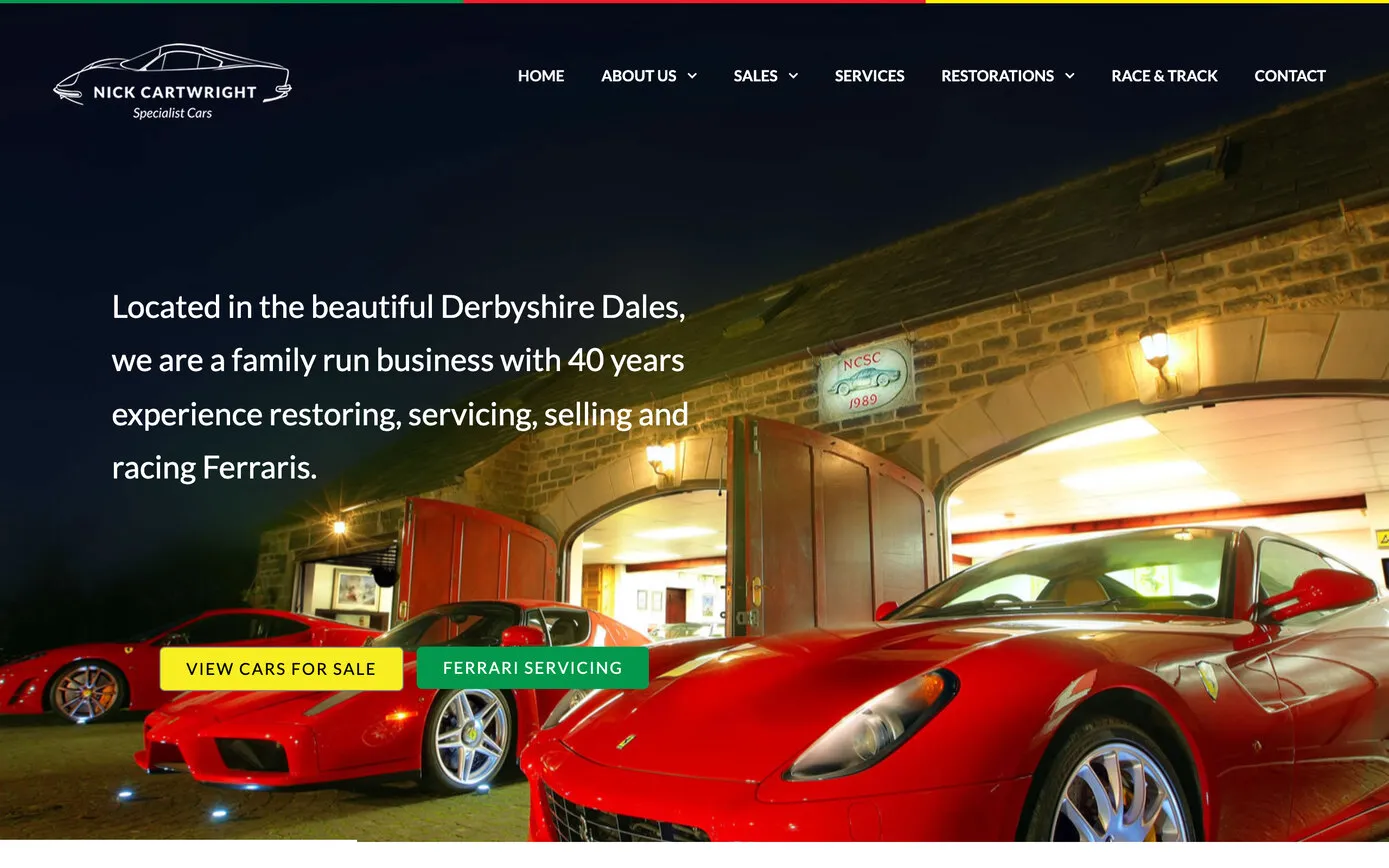
The family’s own photographs of the showroom at night, and a way into sales, restoration, servicing and racing from the first screen.
- Logo
- Website
Nick Cartwright Specialist Cars is a family-run Ferrari specialist near Matlock in the Derbyshire Dales, selling, restoring, servicing and racing Ferraris for 50 years. In 2018 their website was about to be switched off by its old supplier. We built them a new one that the family run themselves, redrew the logo Nick drew in the early 1980s so it works on screen and in print, designed their magazine adverts, and have looked after it all since.
Nick Cartwright Specialist Cars sell, restore, service and race Ferraris from a group of stone barns and a workshop in the Derbyshire Dales. It’s a family business: Nick started it, his son Ben looks after the website and marketing day to day, and in 2025 they marked 50 years in business.
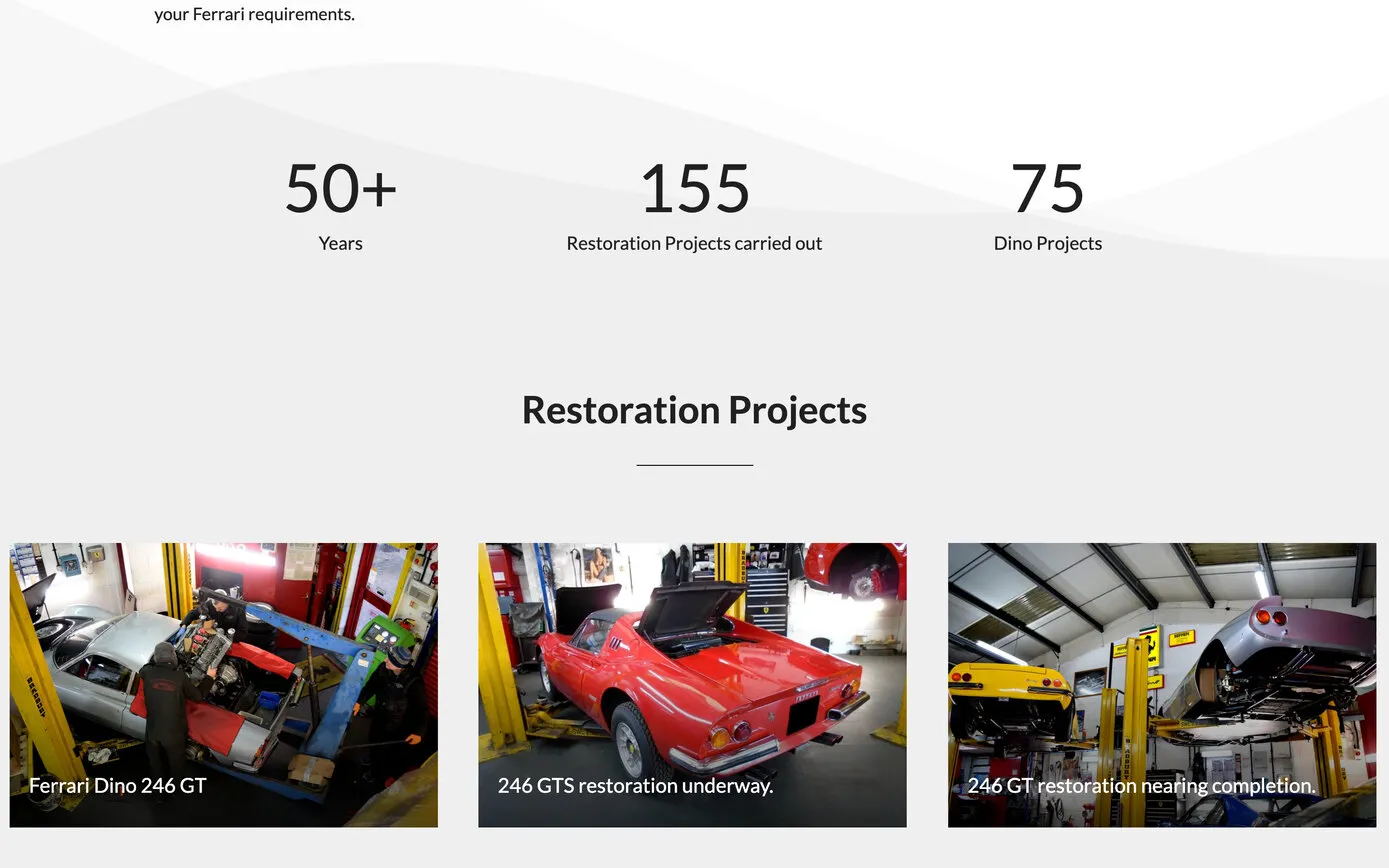
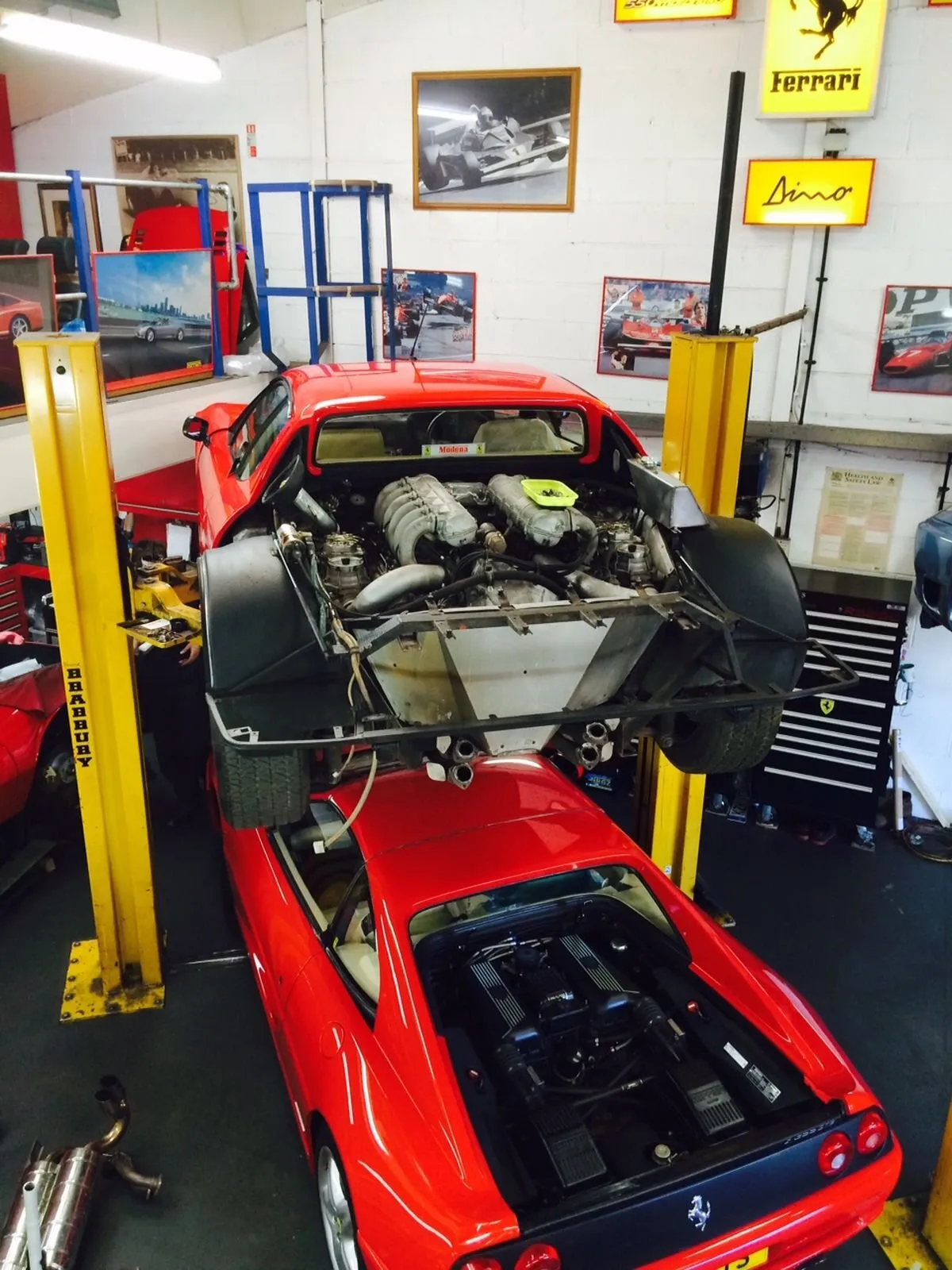
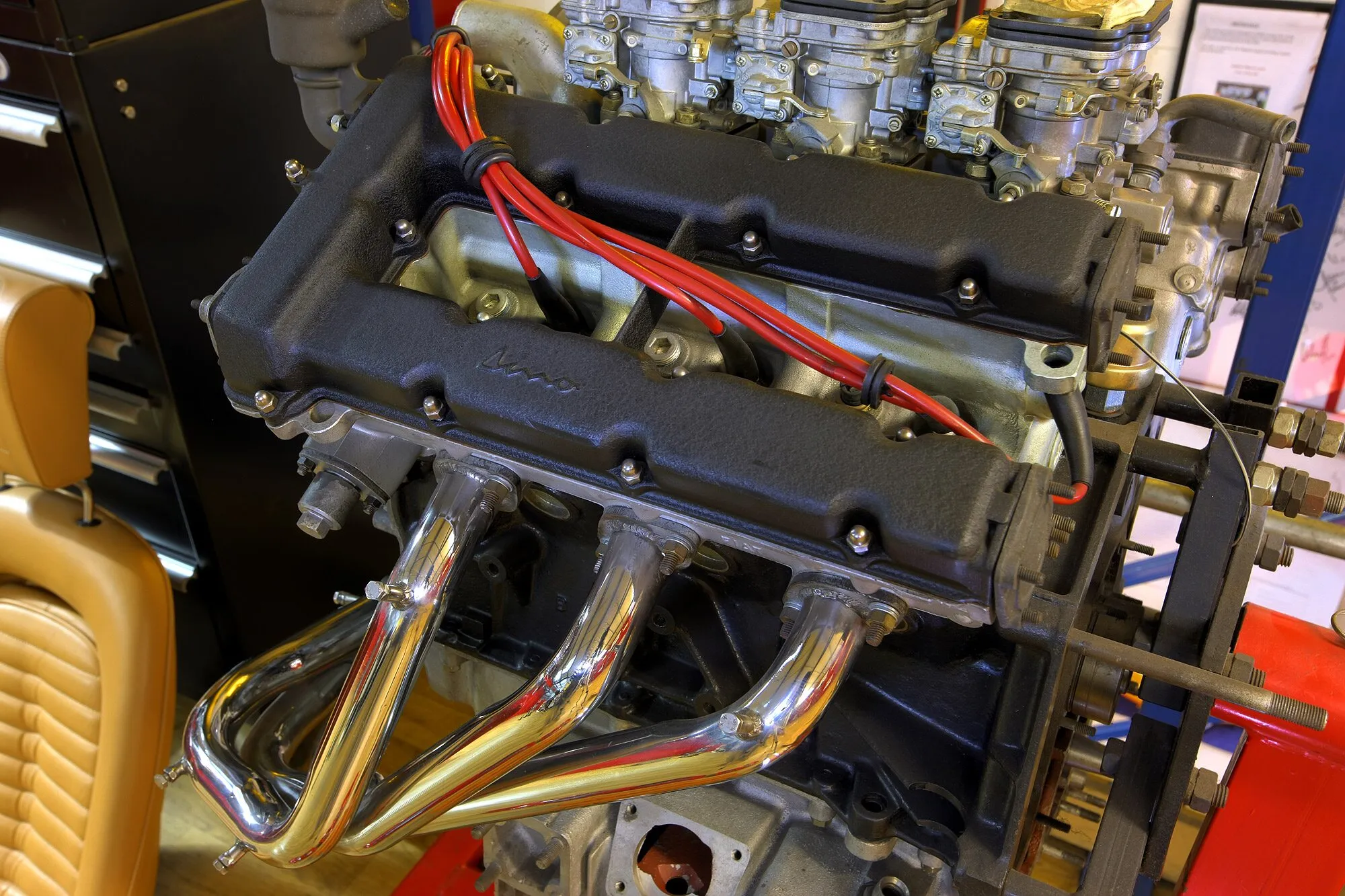
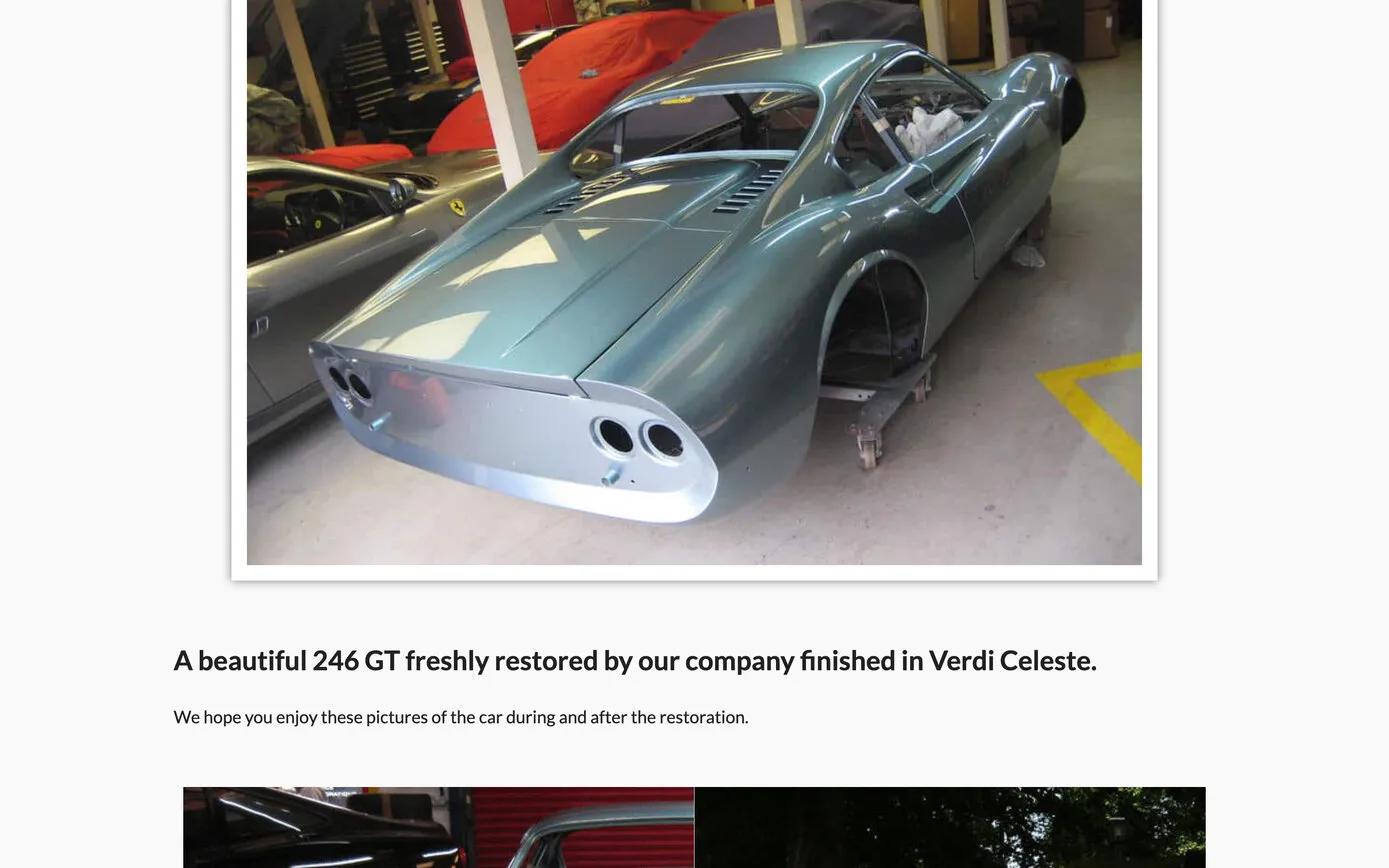
Their speciality is the classic Ferrari Dino: of the 155 restorations they’ve carried out for clients from across the world, 75 have been Dinos. Some customers even ask where they can land a helicopter, which is why the contact page has landing details.
So the website has to do several jobs at once: show the cars for sale at their best, explain the restoration and servicing work to owners, and keep a record of the racing that’s part of the family’s story.
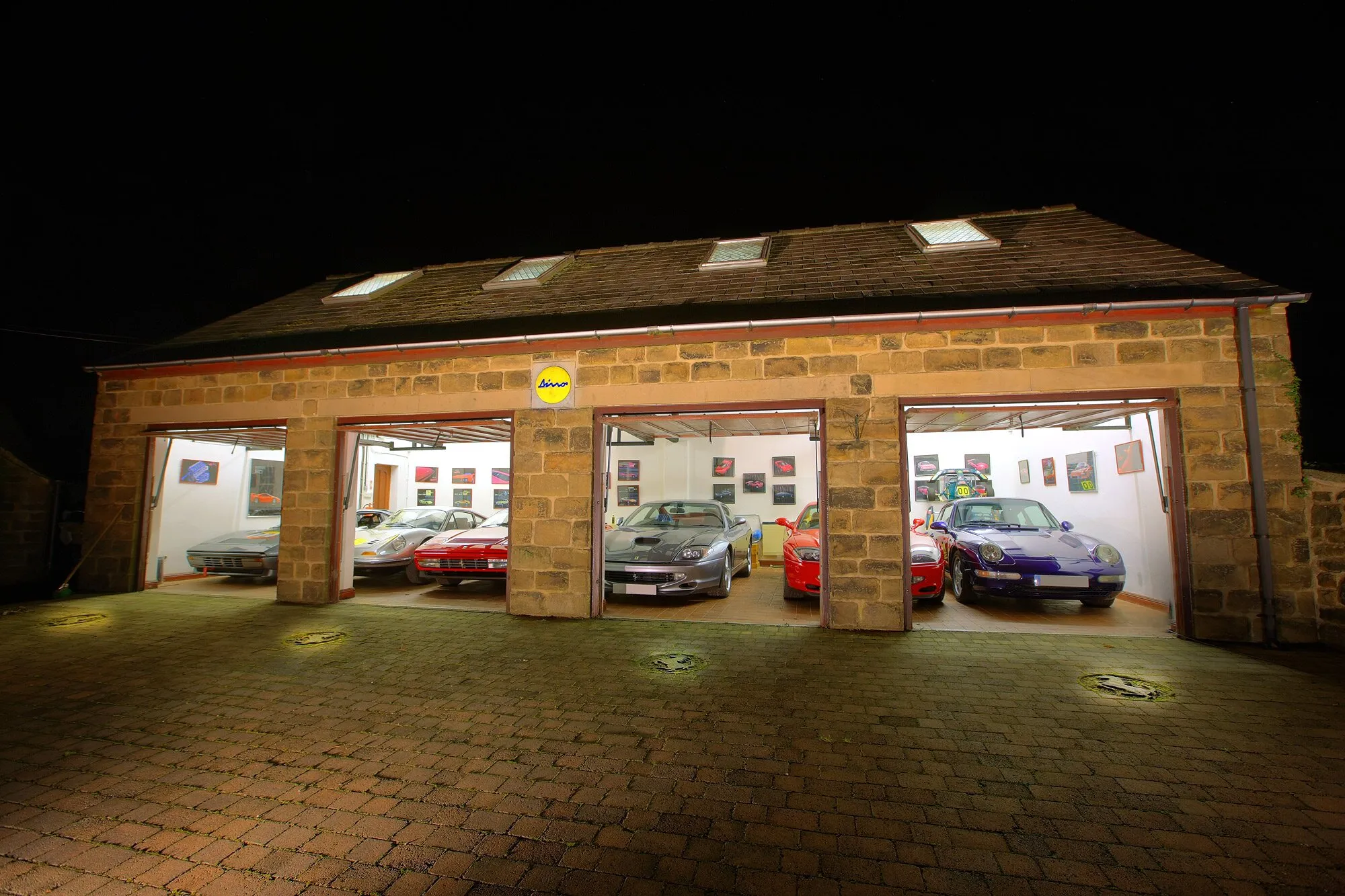
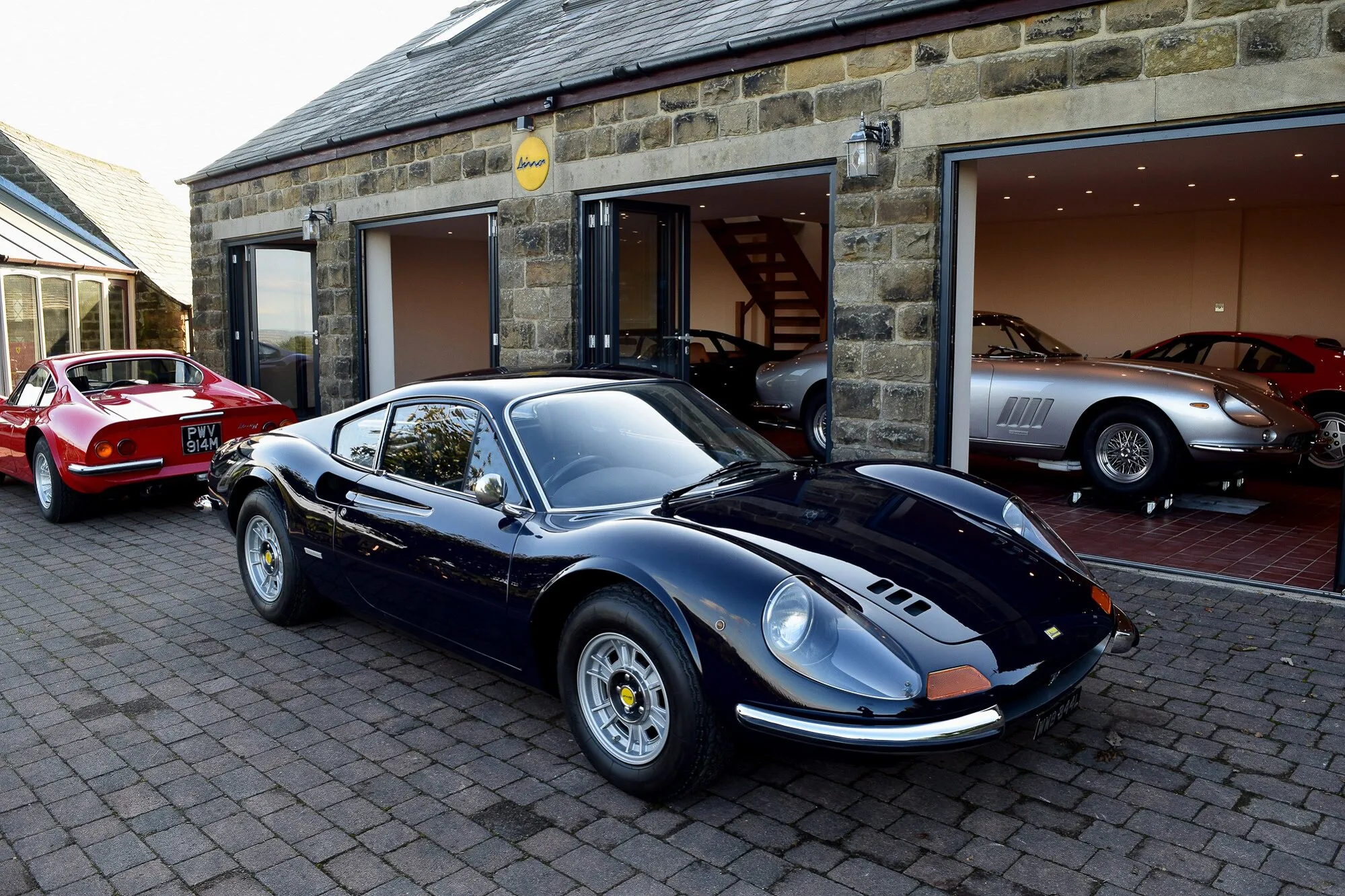
The barns at night. Photographs from nickcartwright.com.
In early 2018 their website ran on its web company’s own system, and that company was about to switch it off unless the contract was renewed. So the deadline was tight, and the first thing we recommended was moving to WordPress: an open system the family would control, on secure hosting with daily backups.
The old site also wasn’t built for phones. Its page titles were long strings of keywords, and none of its 108 pages had a description for Google to show. There was an iPhone app too, but it wasn’t available on Android and wasn’t going to be updated, so we suggested letting it go.
Before anything else, we downloaded the old site in full, so its content and photos would be safe whatever happened to it. Then everything was carried across: about 170 sold cars, 24 restoration projects and 94 racing stories, with thousands of photos sorted and resized along the way.
Red panels, a prancing-horse watermark and a row of cars along the top.
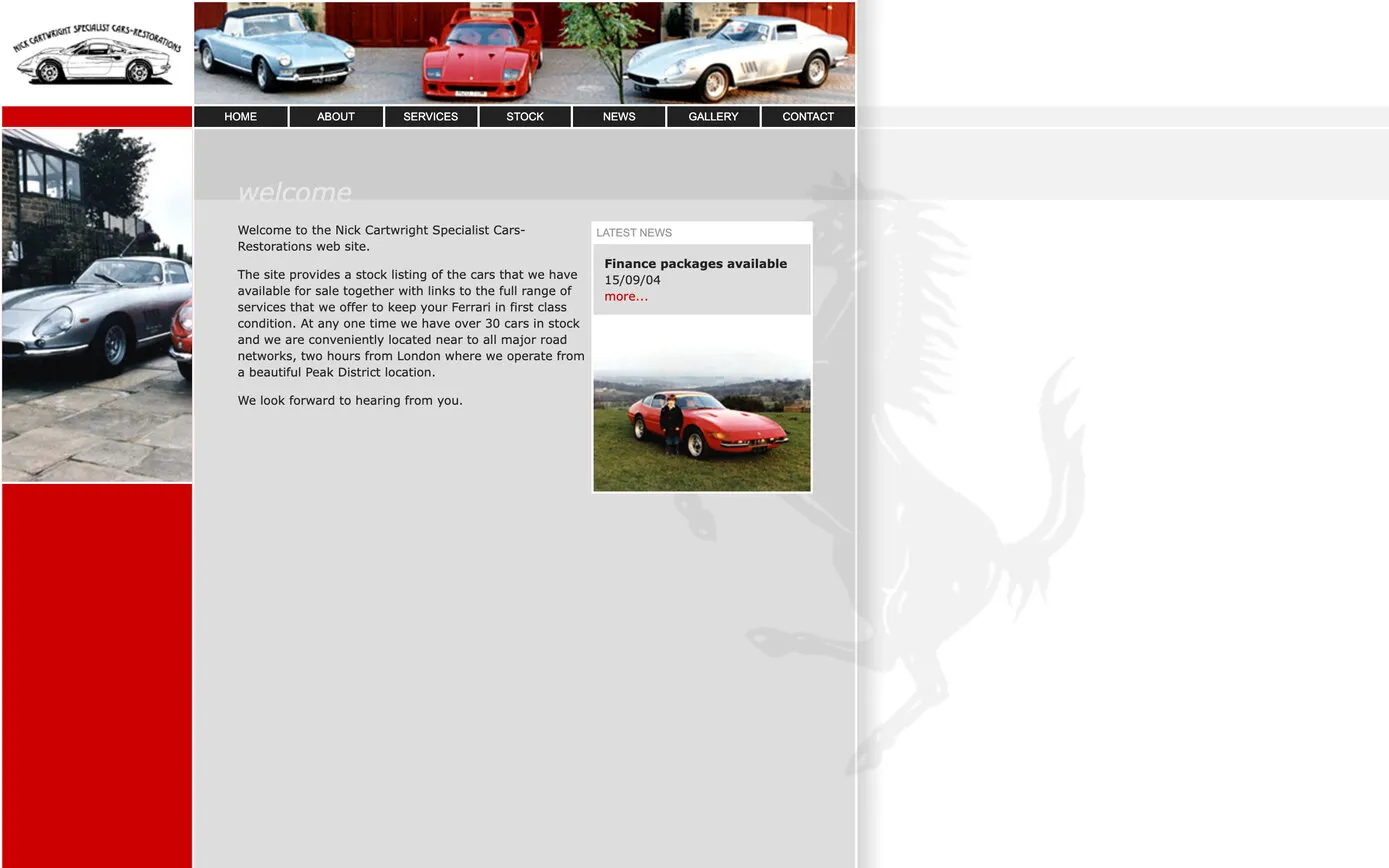
Dark red, with the old logo, built on the web company’s own system and not made for phones.
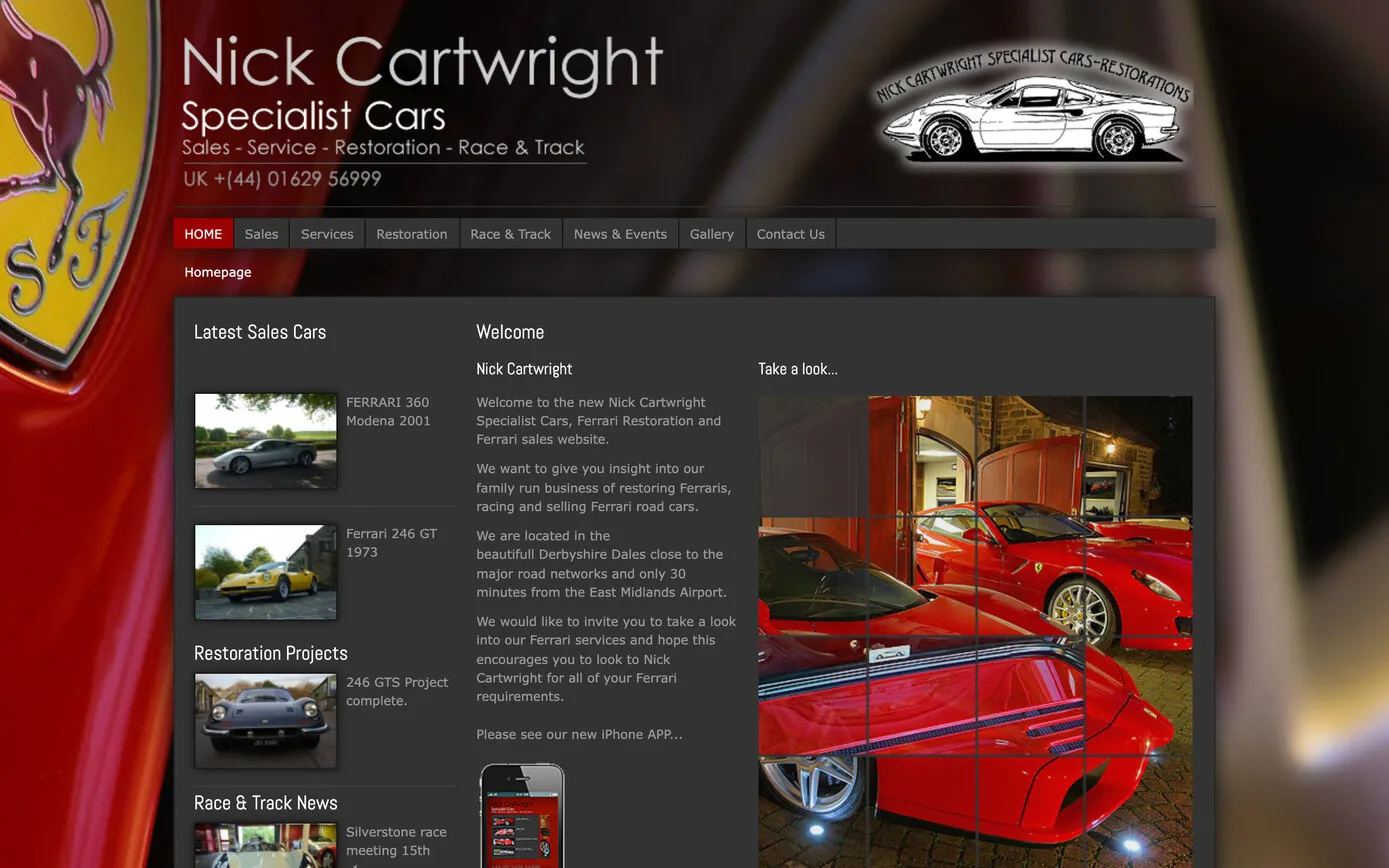
The homepage mock-up, with the barns at night across the top and our first idea for a logo.
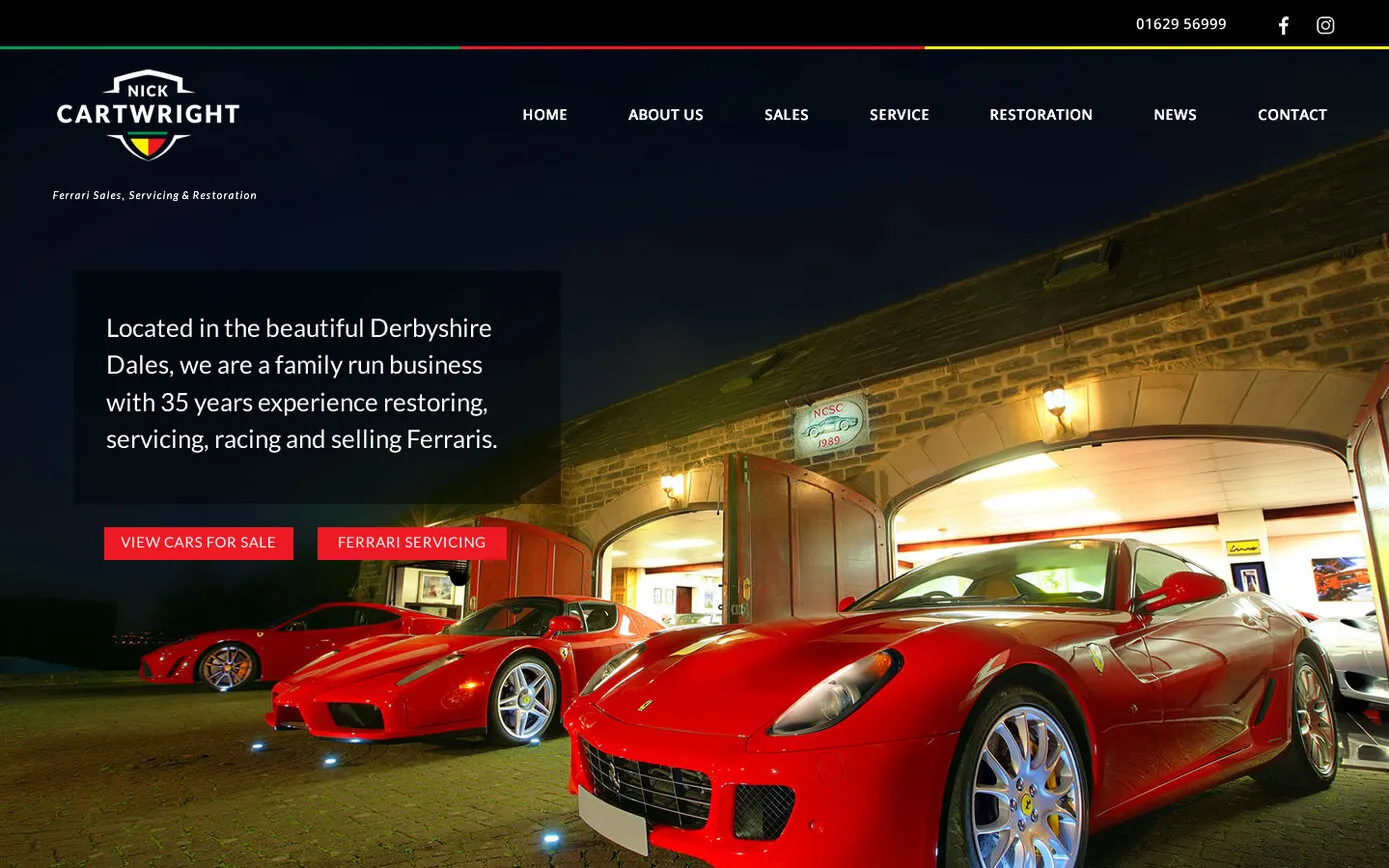
The new site in June 2018, when the homepage still said 40 years.
2005, 2013 and 2018 from the Internet Archive’s Wayback Machine. The January 2018 design is our mock-up.
The company’s logo was a line drawing of a Ferrari Dino that Nick drew in the early 1980s, with the name curved over the top. It’s part of the business: the same Dino is carved in stone above the barn doors. But its fine lines disappeared on top of a photo or when it was printed small, and the lettering was hard to read.
We hadn’t been asked for a logo, but we put one forward with the website proposal anyway: a shield styled like a racing driver’s name decal, a nod to the family’s racing. For the main mark, though, the family wanted to keep the Dino. Ben summed up the brief:
It has to [be] recognisable but with a modern lift to it.
So we redrew Nick’s Dino as a single continuous line, keeping its shape and spirit with as few lines as possible, bold enough to read on top of a photo and when printed small. Over about seven weeks we tried the name on one line and on two, with a larger shield and a smaller one, and laid the options over the homepage so the family could see them in place.
The final set has the Dino over the name in Lato, with “Specialist Cars” in italics and a small shield in green, yellow and red, in versions with and without the shield. Our first design joined it as a racing logo. Every version comes in black and in white, as files for screen and print, with Pantone colours for printing and a square version for their new Instagram account.
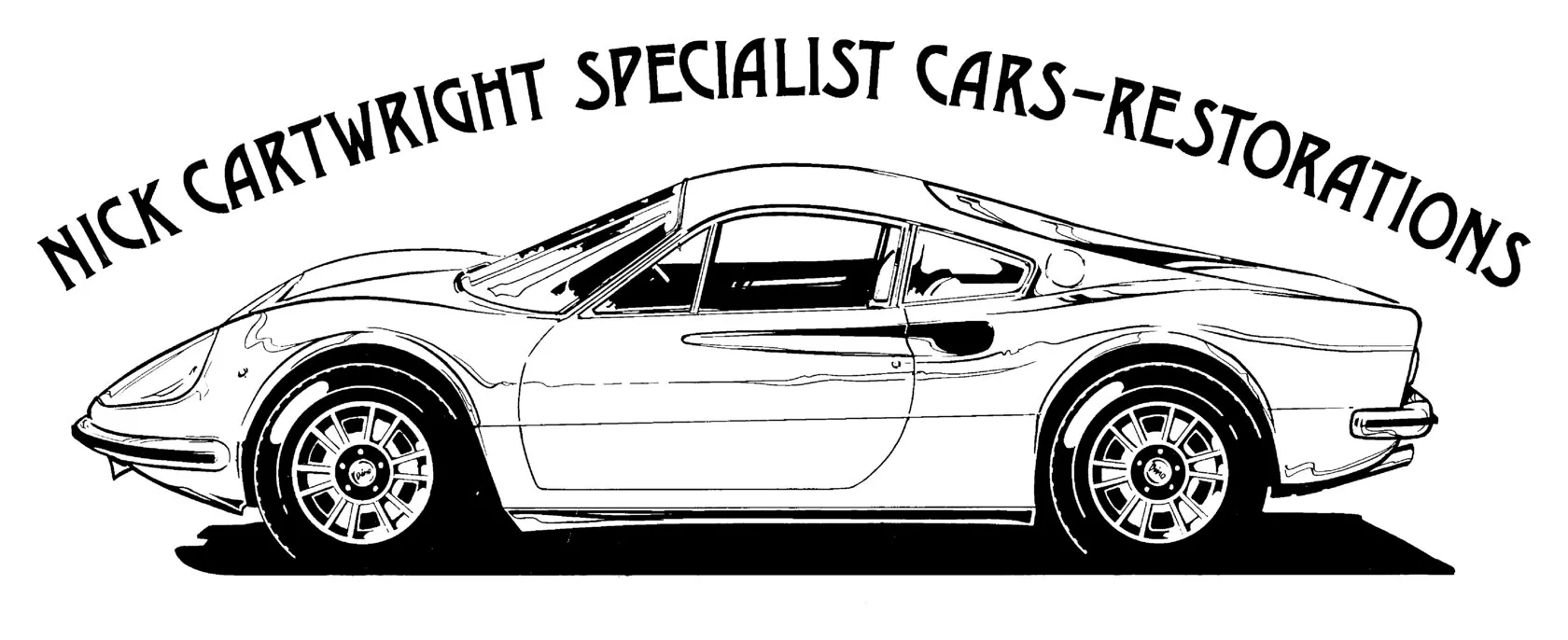
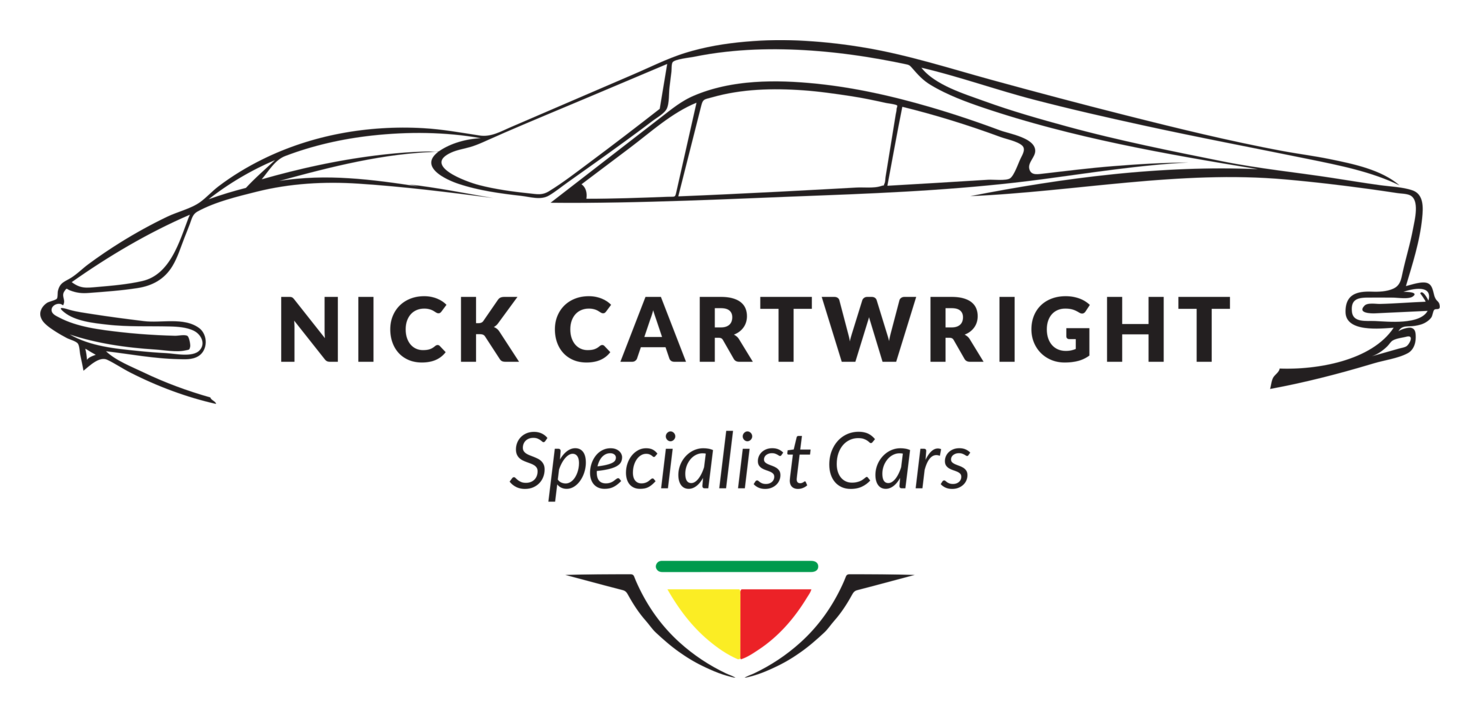
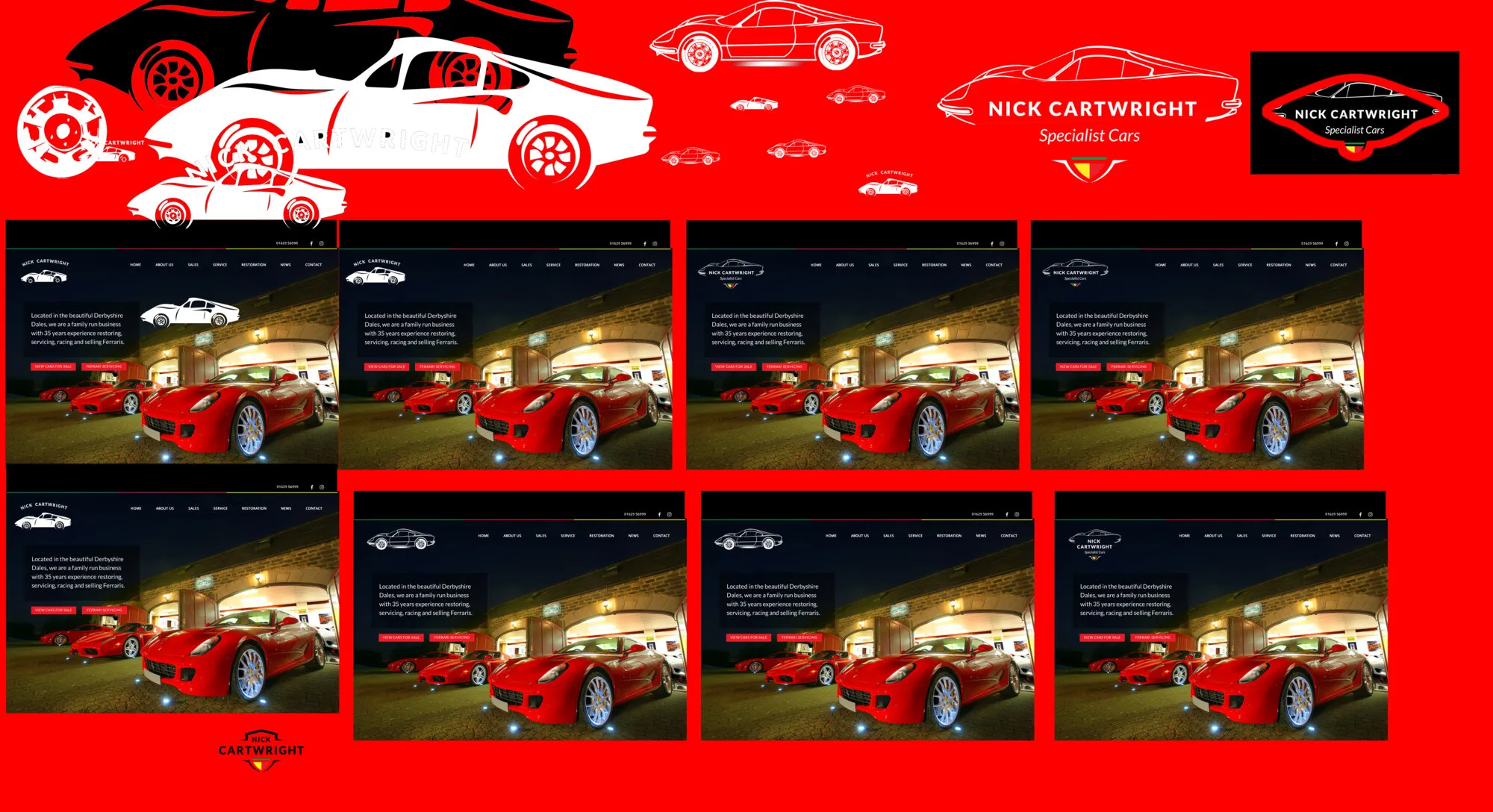
Logo options, tried on the homepage header, February 2018.
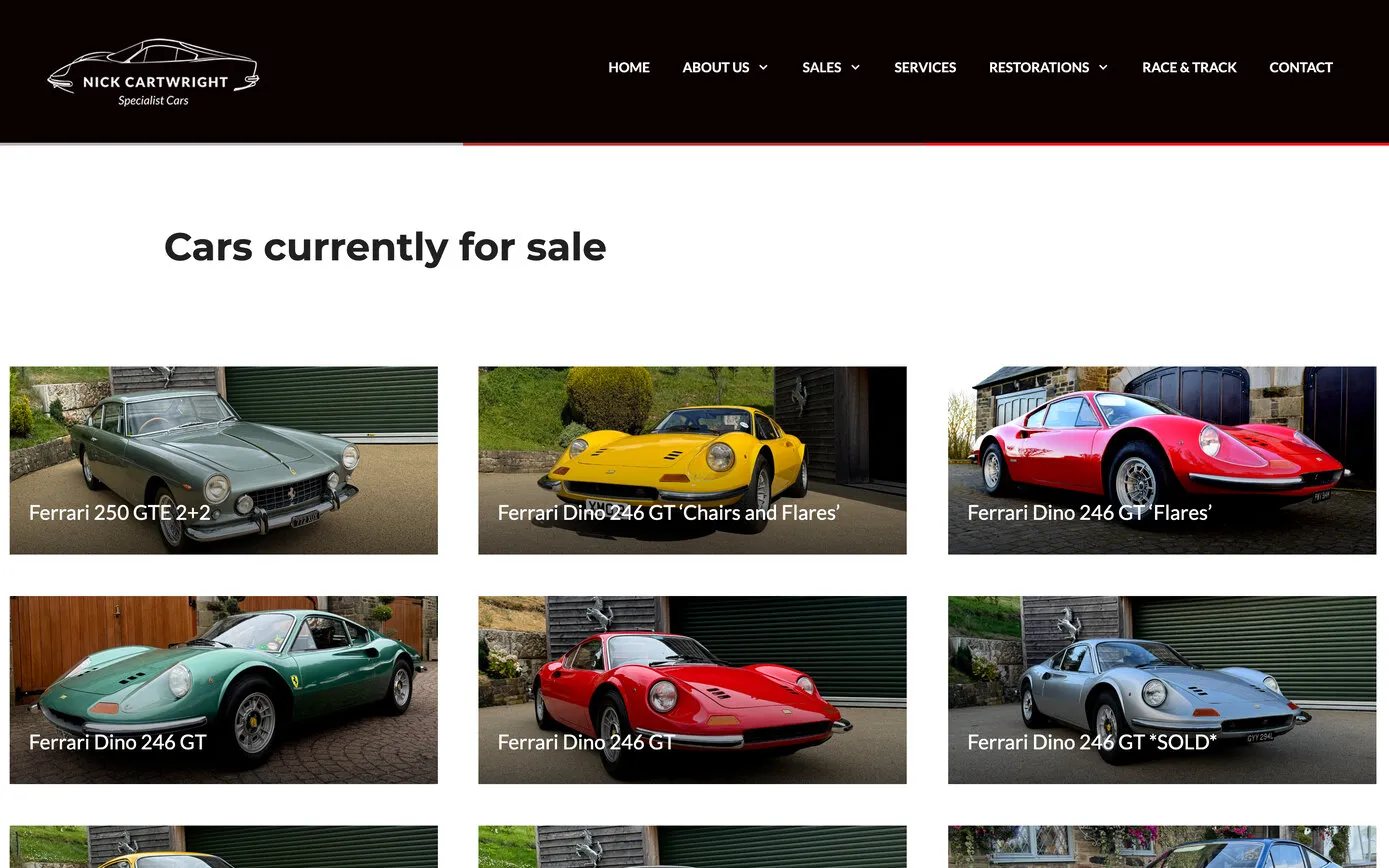
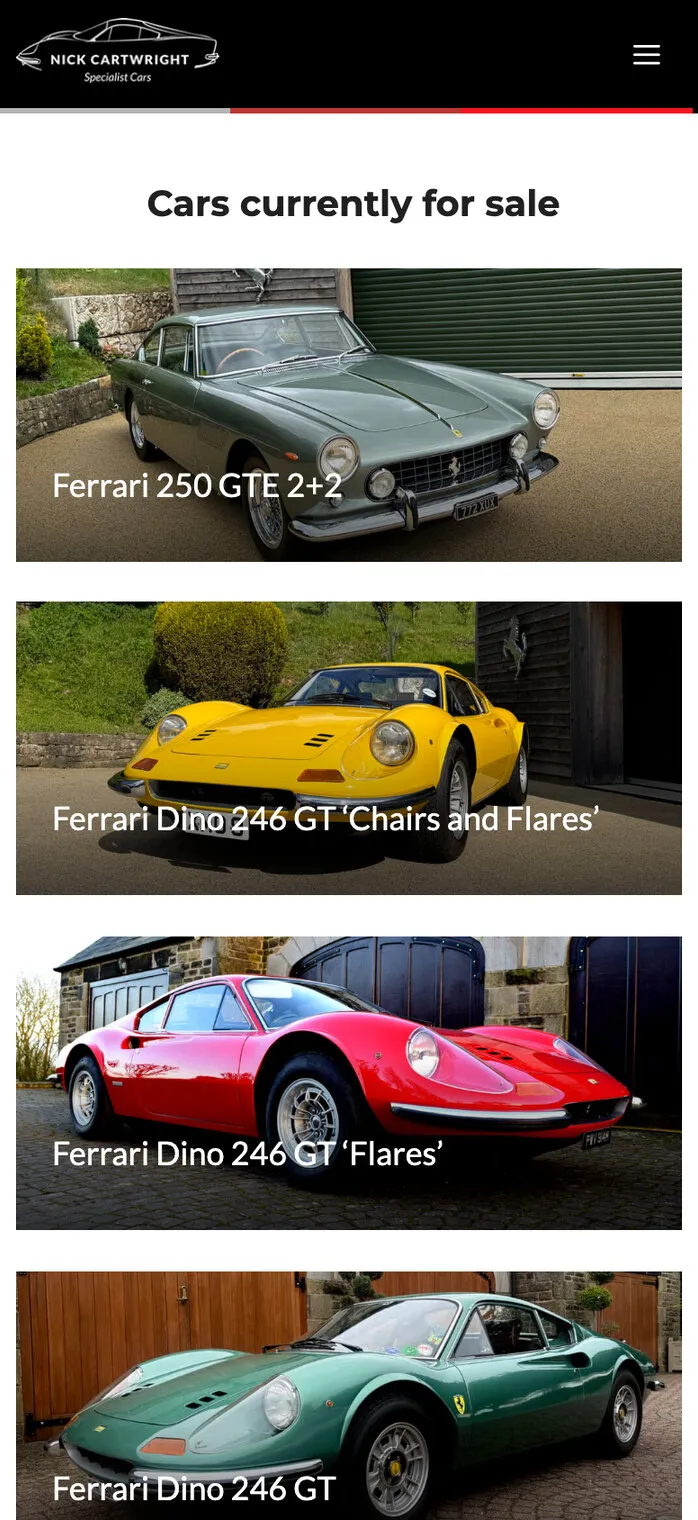
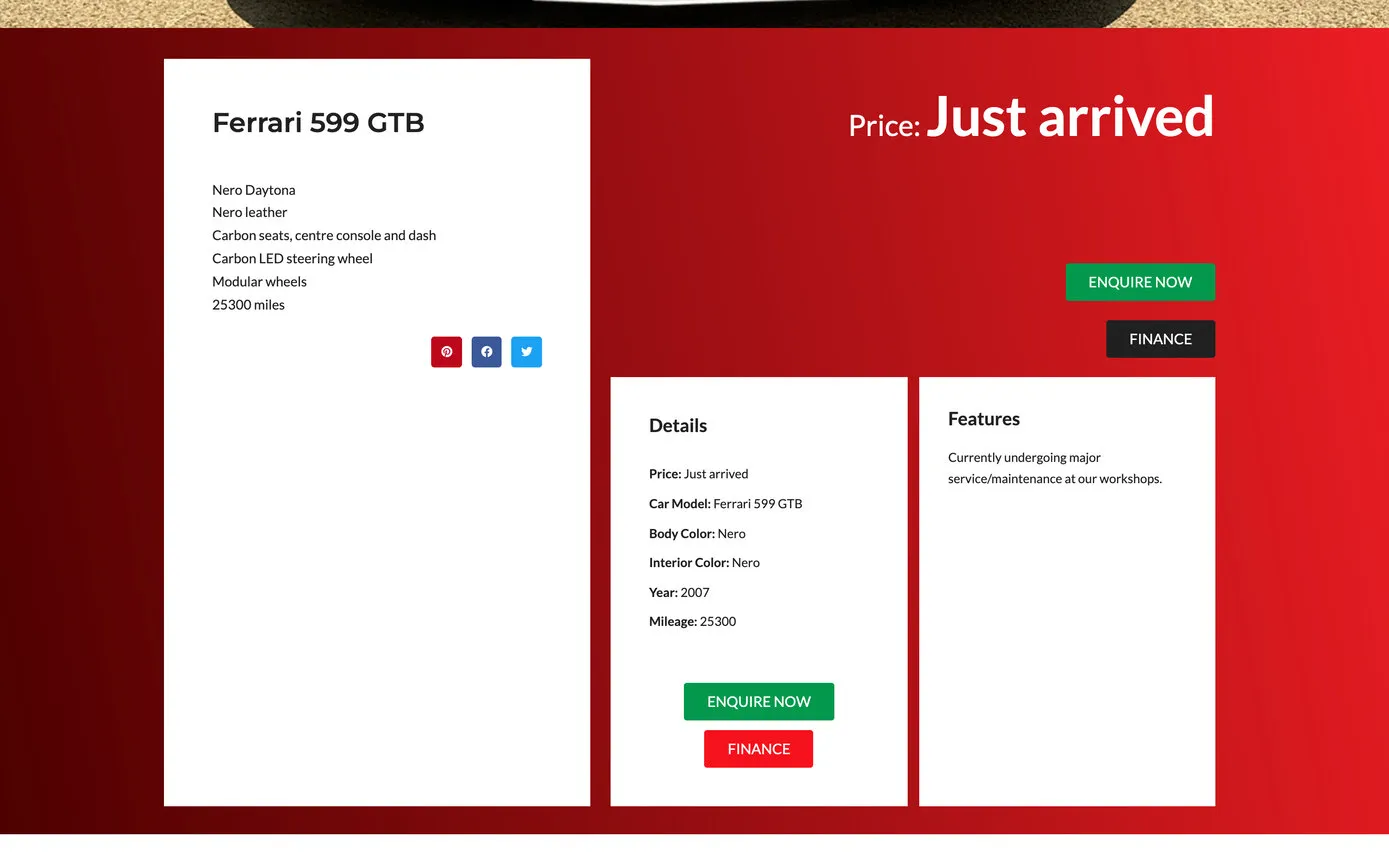
The new site went live at the end of March 2018. Everything the family change often is a simple form in the dashboard: cars for sale and sold, restorations, news, racing stories and galleries. Cars can be dragged into order, each one shows its model name and price, and every car page has its own enquiry form, so a message arrives saying which car it’s about.
Their Instagram posts appear on the site by themselves, and big photos straight from a camera are resized and compressed as they’re uploaded, from around 5 MB to around 700 KB, so the pages stay quick even with a lot of pictures.
We wrote them a manual with short how-to videos, and set up Google Analytics and Search Console in the family’s own Google account, so the business owns its data. Ben’s verdict, a week before launch:
I don’t think we are far off and the site looks great.
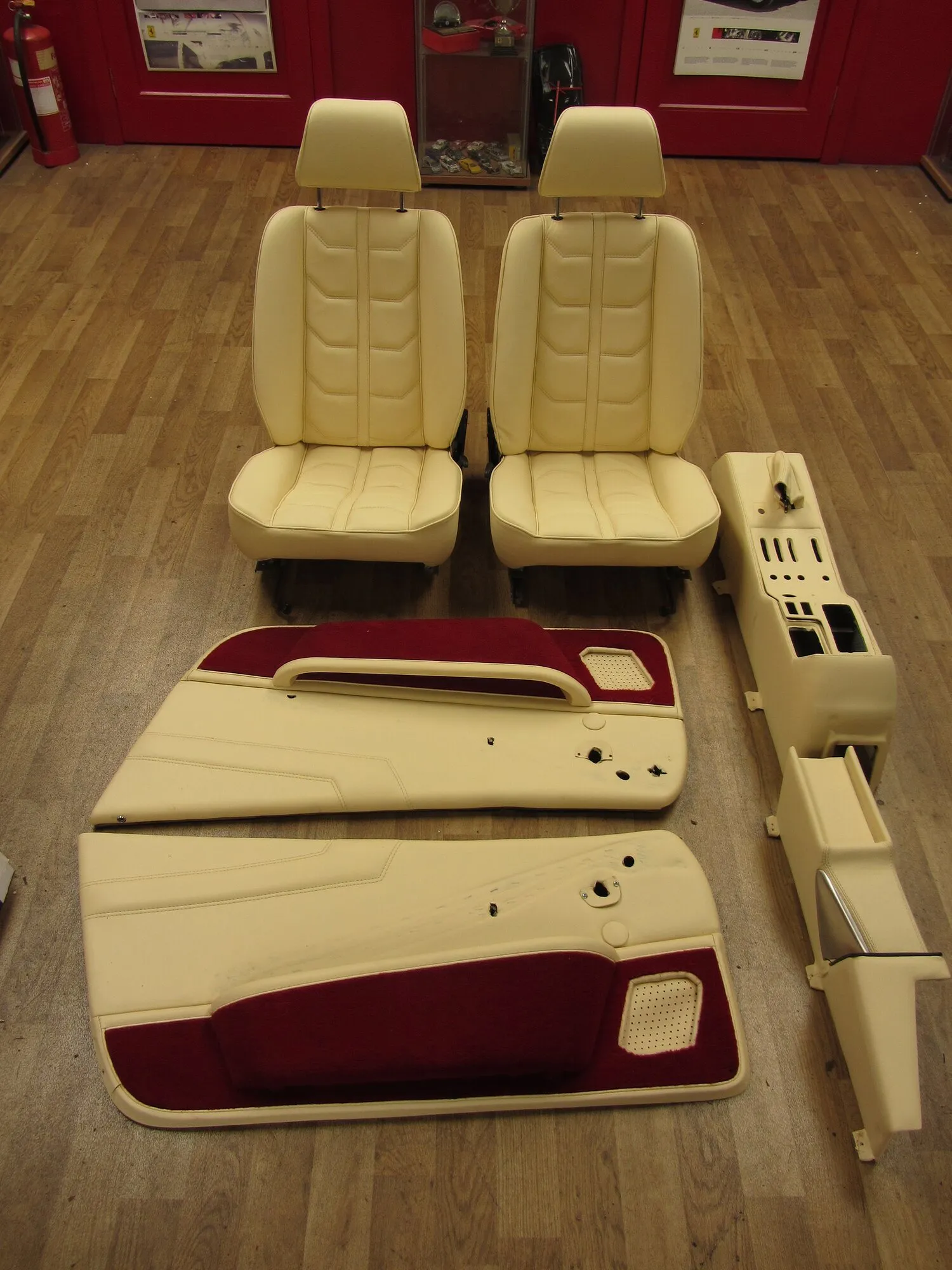
Restorations are their own kind of content. Each project has a page with its story and a long record of photos, stage by stage, some with a before-and-after slider. The family add new projects and updates themselves: in May 2026, for example, Ben posted the progress of a Dino 246 GTS as it neared completion.
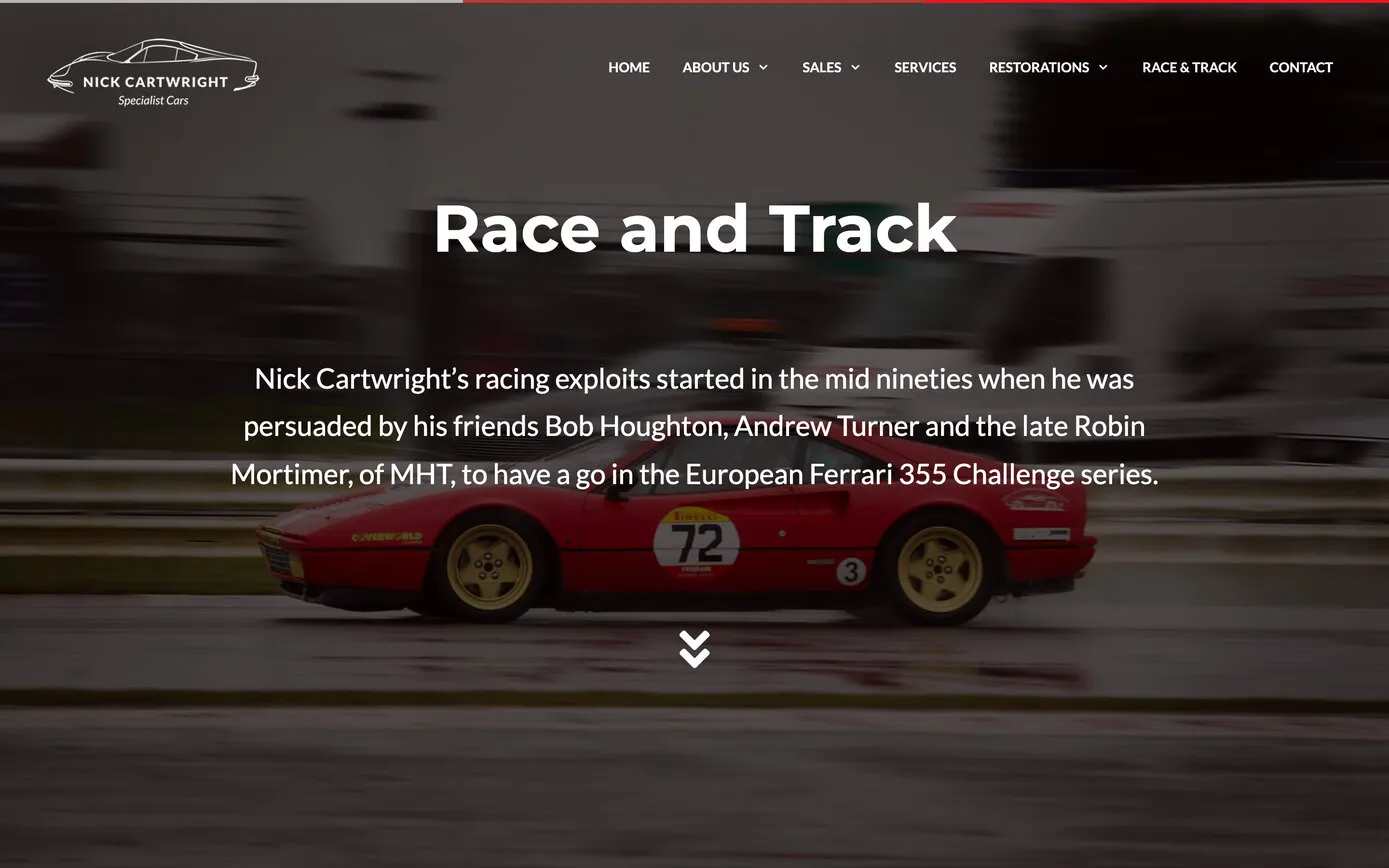
Racing has its own section too. Nick started racing in the mid-1990s, in the European Ferrari 355 Challenge, and the Race and Track page keeps a running record of race days, from Silverstone to Donington Park.
In the summer of 2018 we designed a full-page advert for the autumn issue of Enzo magazine. Ben’s brief was a black page with two cars stacked one above the other and the logo at the top. We laid it out, retouched the photos (a telegraph pole quietly disappeared from one) and supplied the print file at the magazine’s size.
In July 2025 we made two more, sized for Octane magazine: a grid of twelve cars from their current stock, one all Ferraris and one with Porsches too, headed by the barns at dusk, with each car’s year, mileage, colours and price.
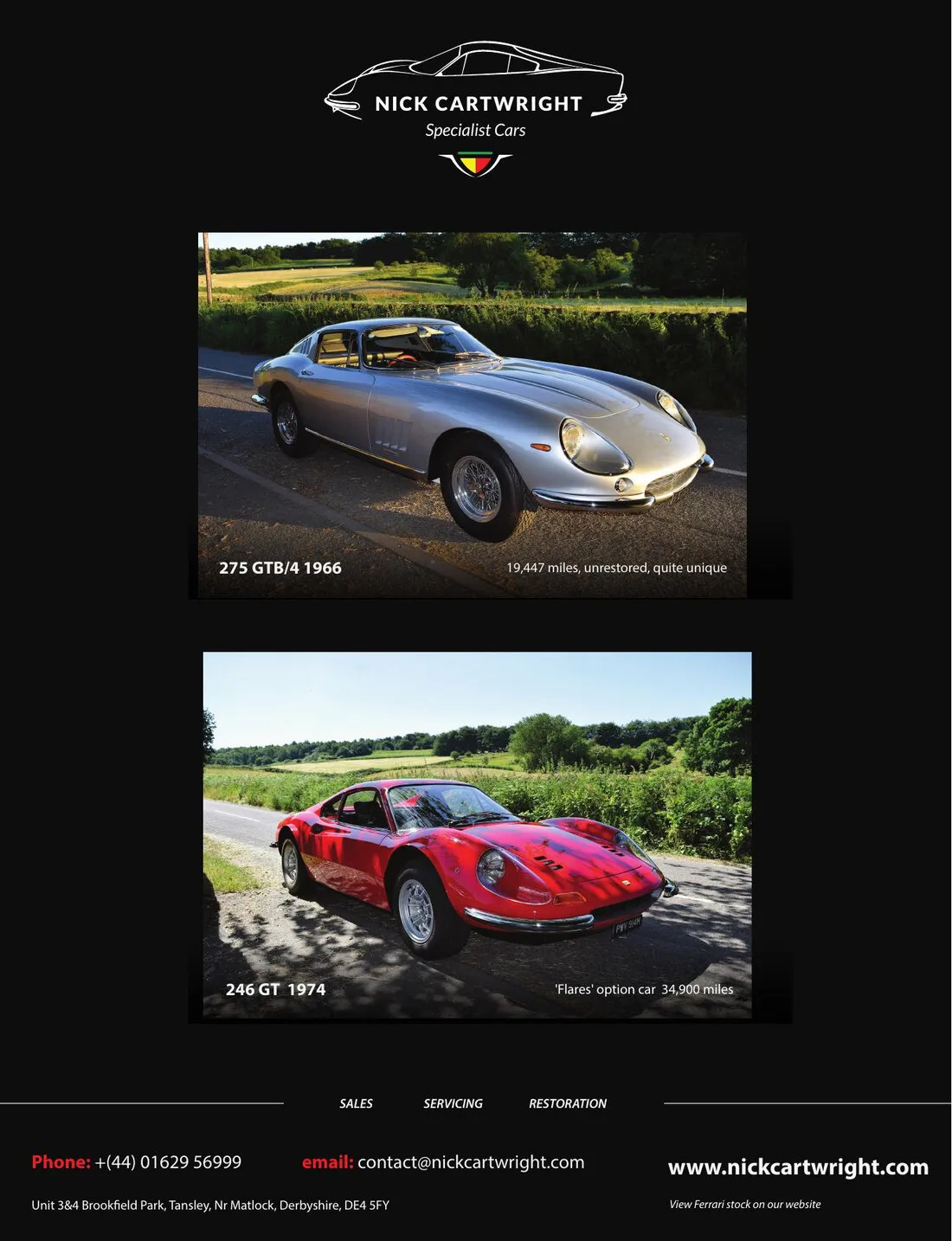
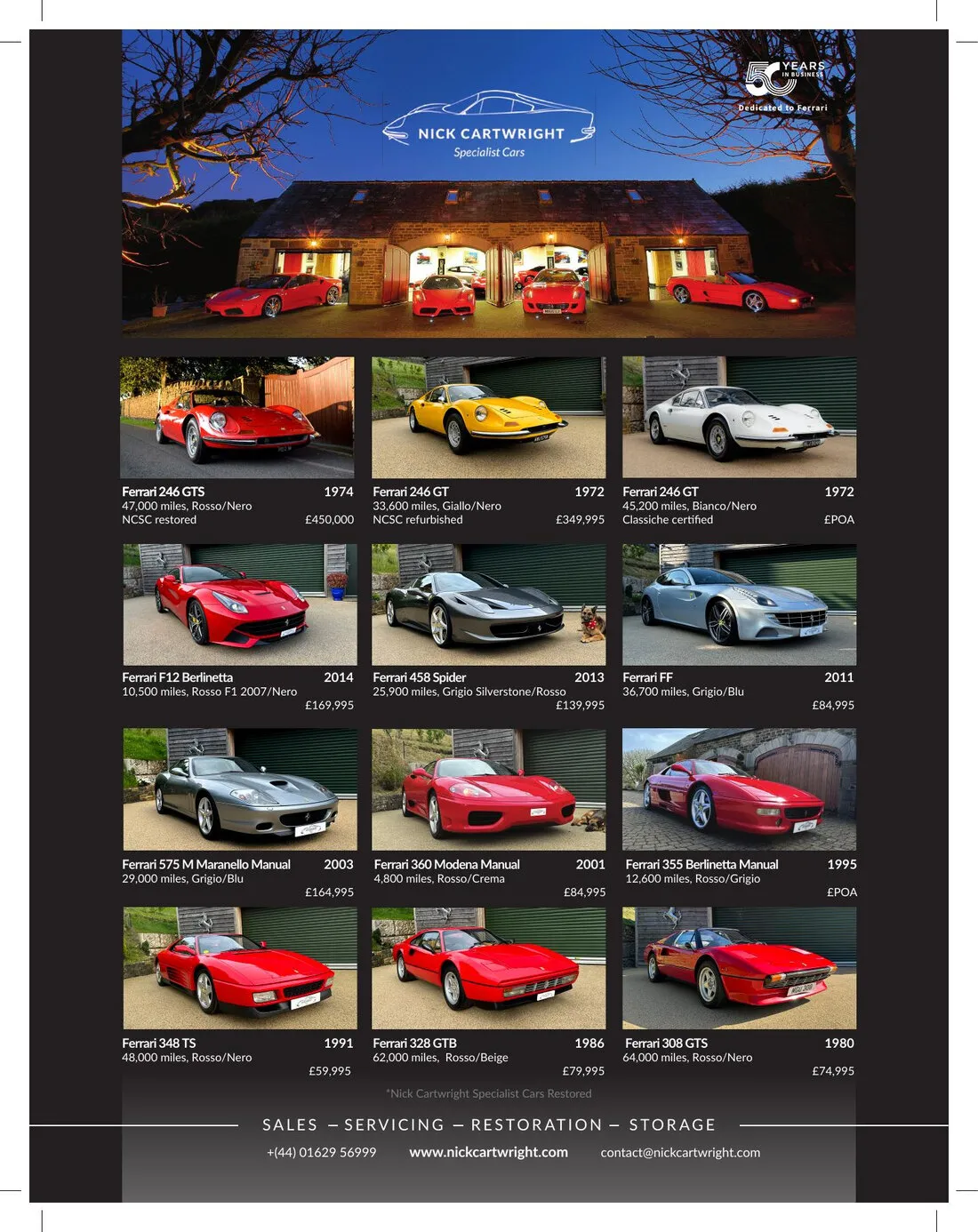
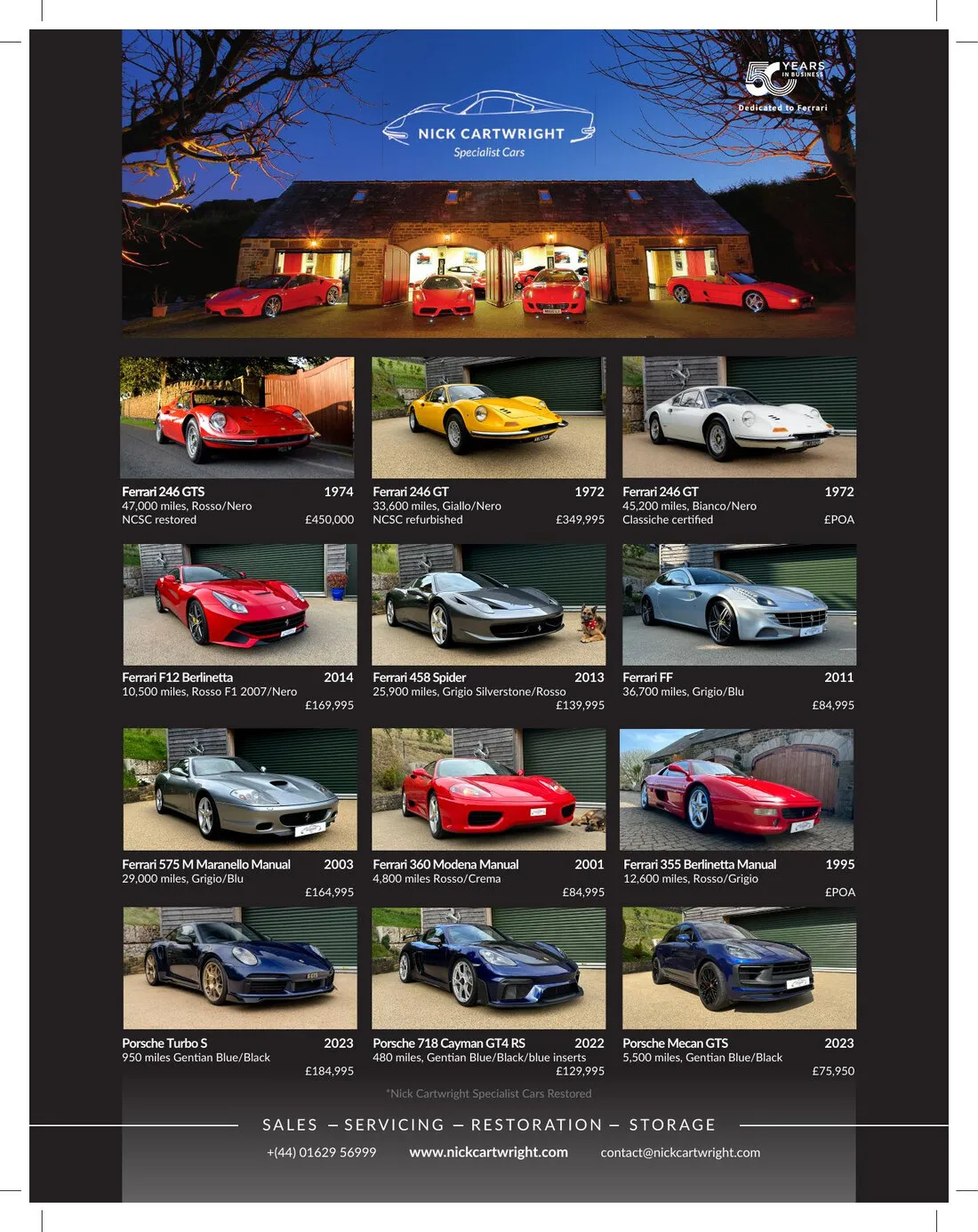
Enzo magazine, autumn 2018, and the two 2025 adverts.
Since 2018 we’ve hosted the site and kept it up to date, and the small requests are what keep it useful: helicopter landing details on the contact page, details from their finance partner on every car, protection from spam on the forms, and email settings that stopped the family’s own emails landing in customers’ junk folders. After the spam protection went on in July 2020, spam through the contact form fell from 121 messages in eight months to 18 in the next 29.
When a sign was planned for the showroom, we placed it into a photo of the room at two sizes, so the family could see how big it should be. When they reached 50 years in business, the homepage and inner pages were updated to say so, with a new homepage photo darkened a little so the words on top stay easy to read.
And in April 2026, when a car that had sold years earlier was still bringing in enquiries, we walked Ben through a new view in the dashboard that shows at a glance which cars are for sale and which are sold.
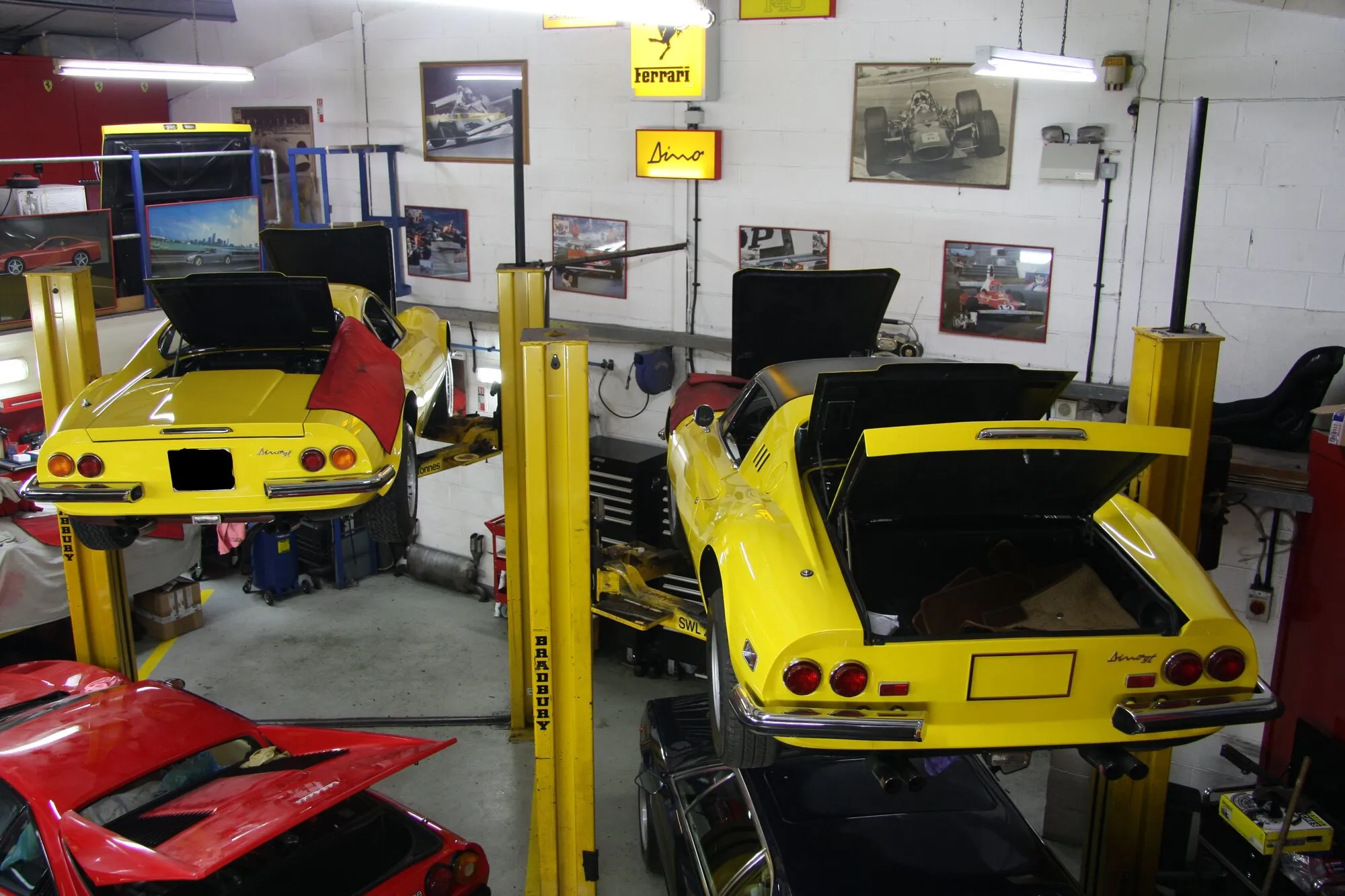
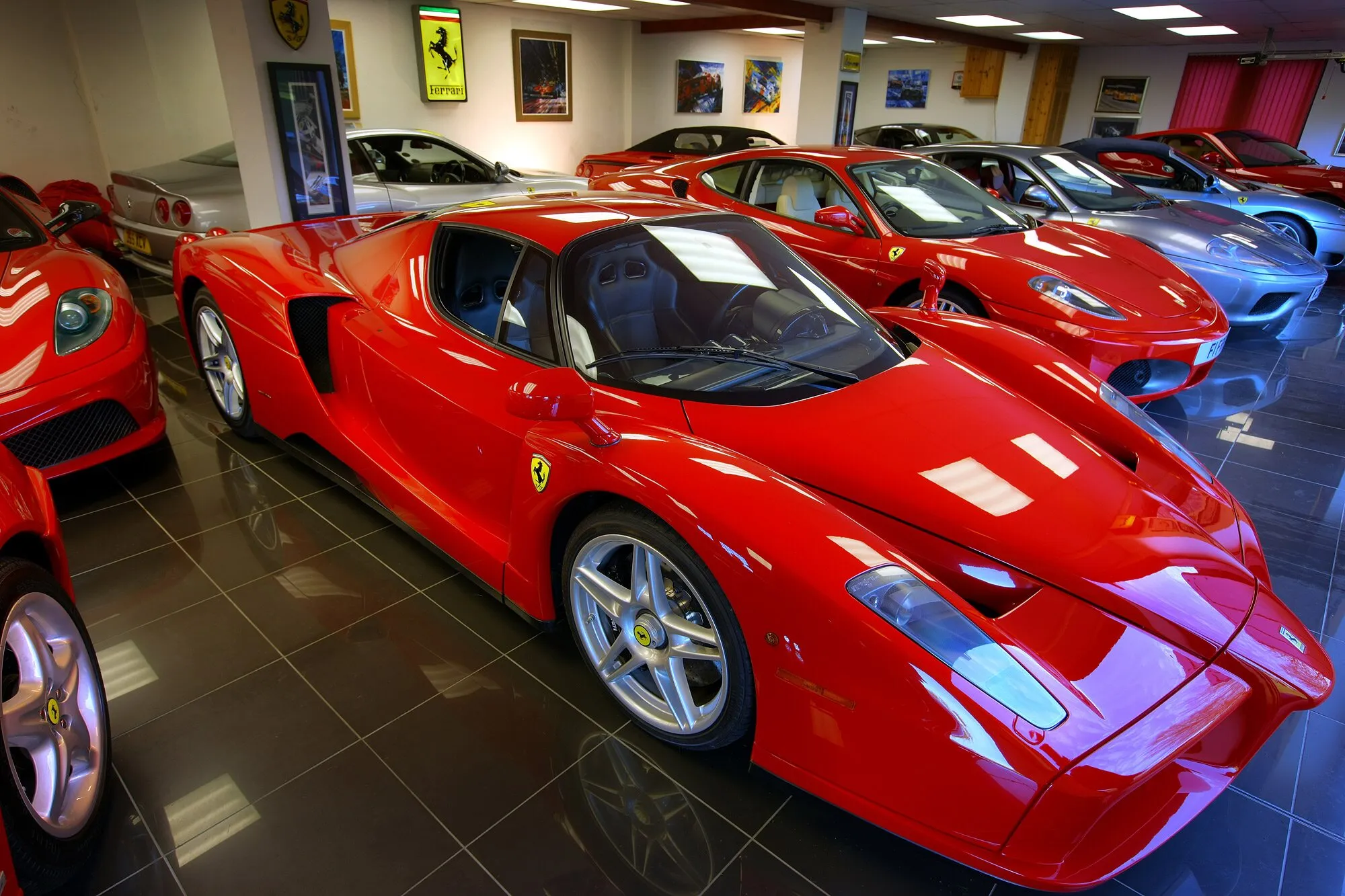
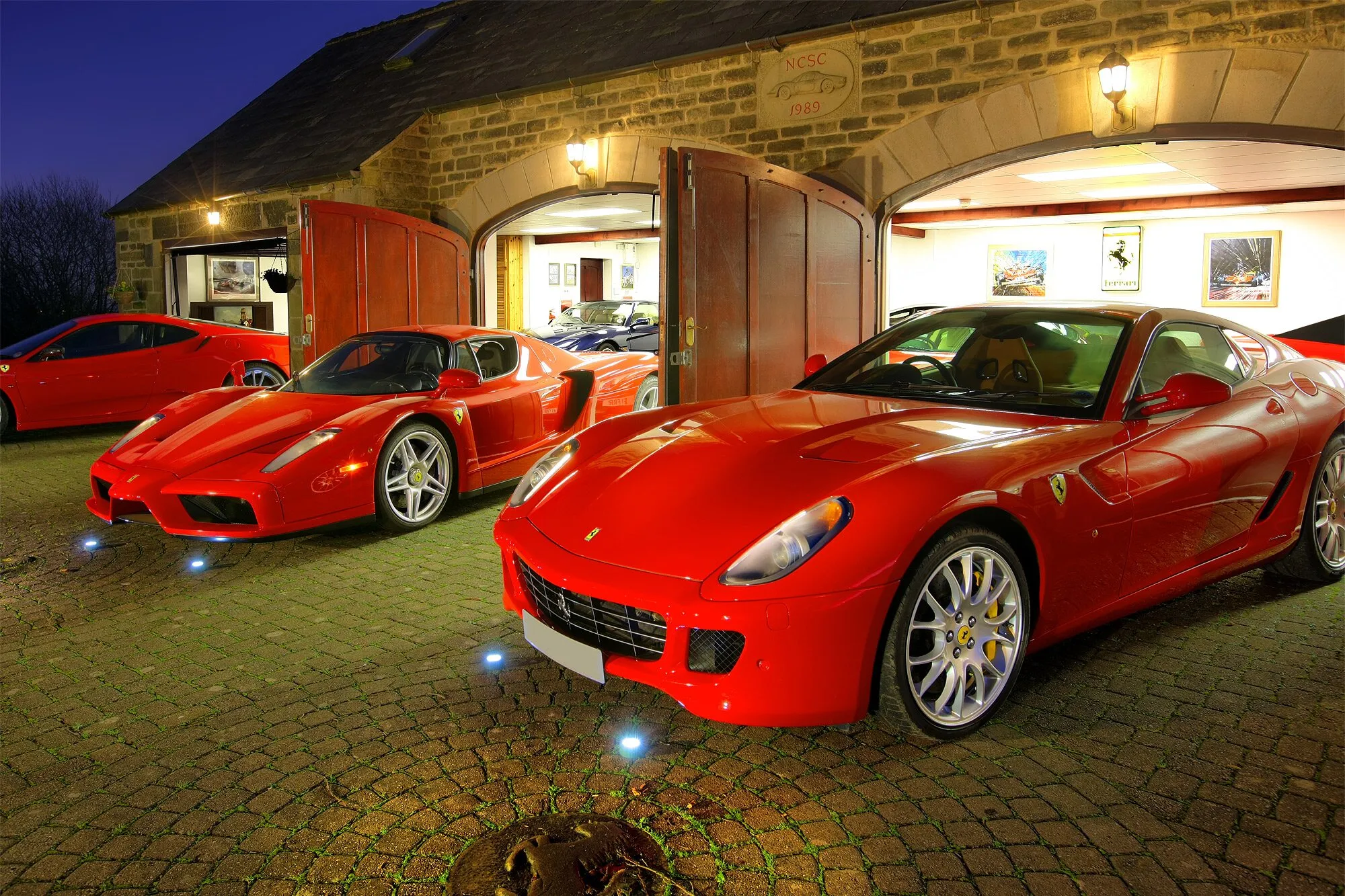
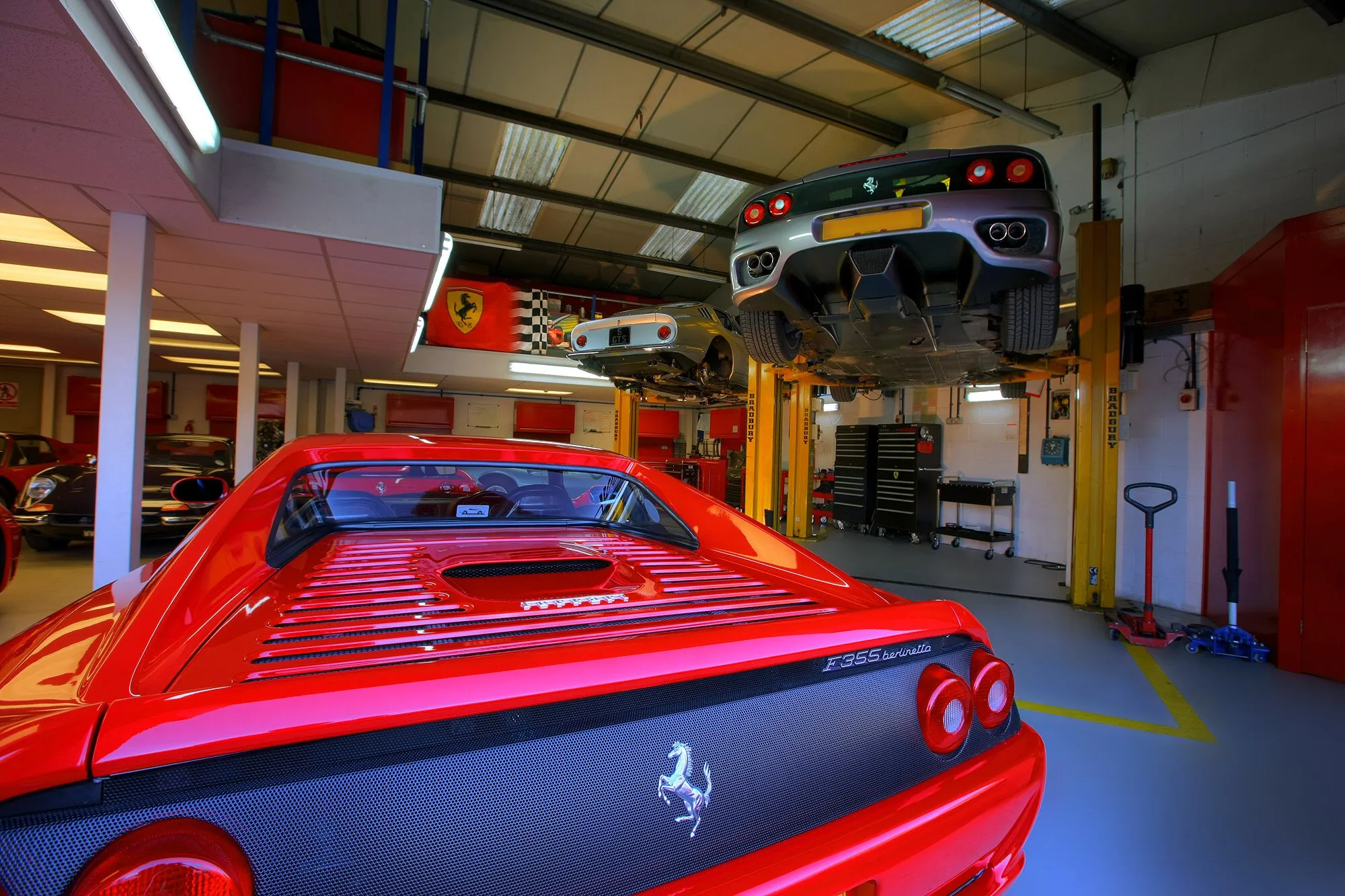
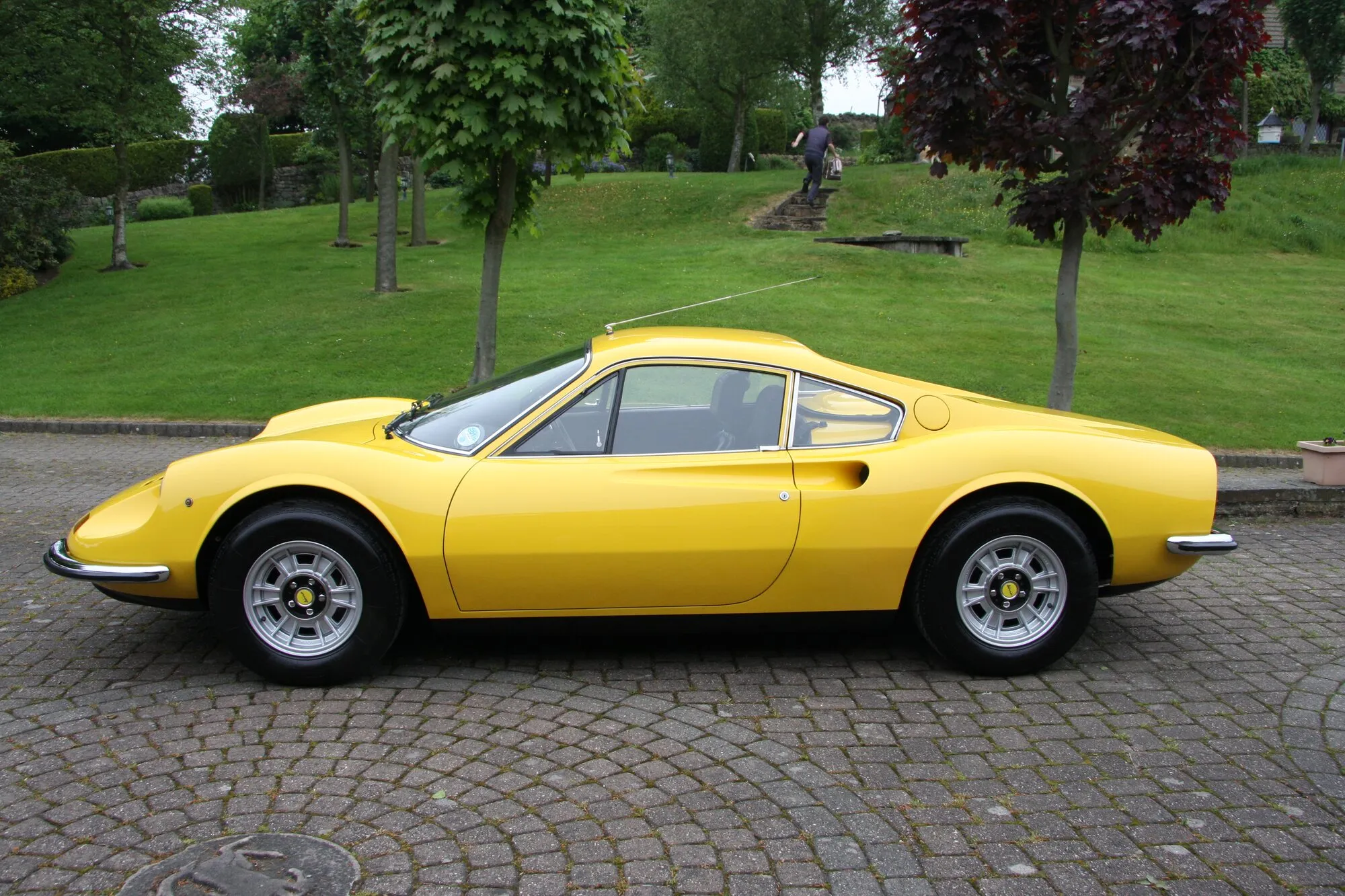
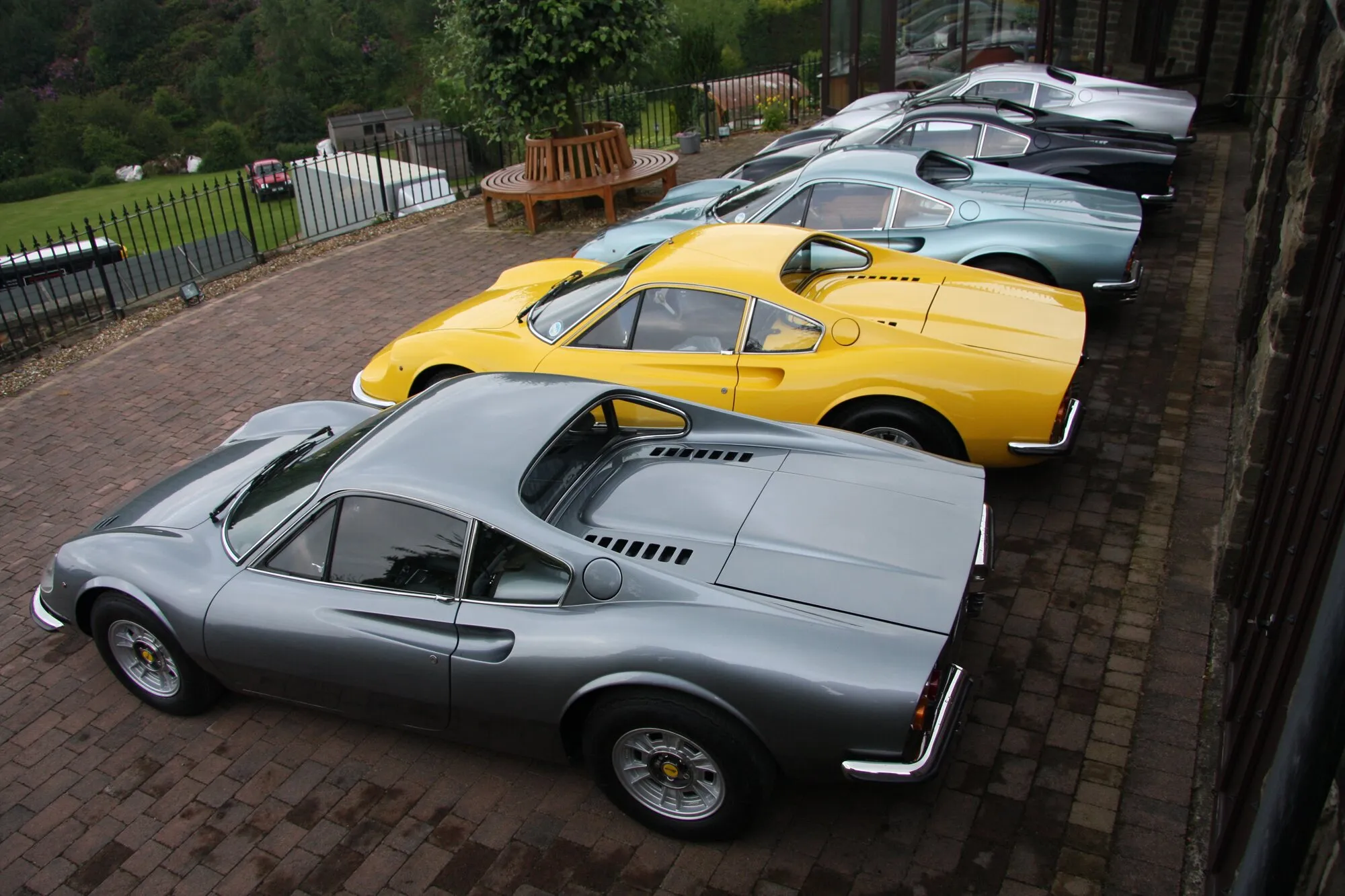
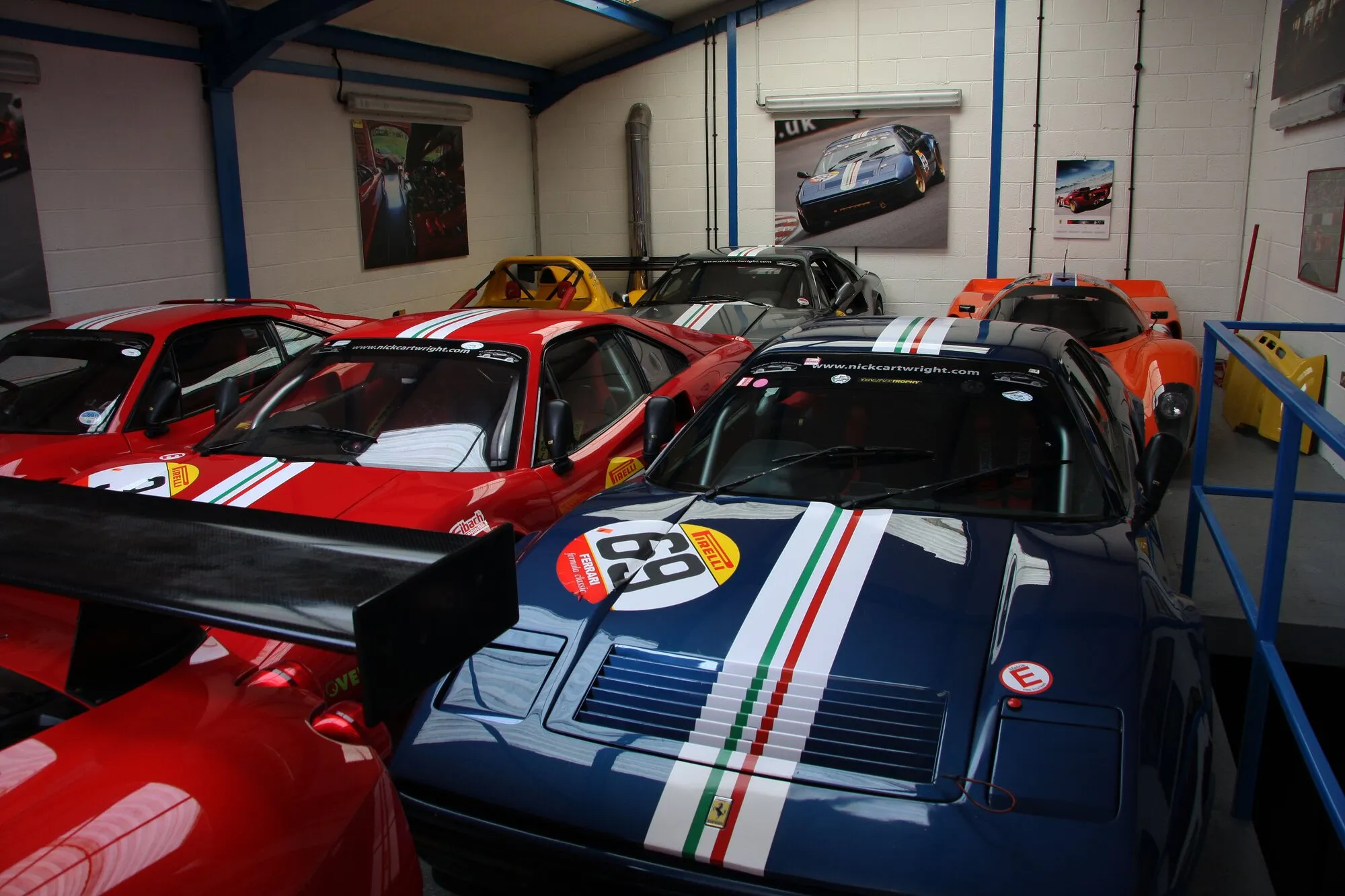
The workshop, the showroom and the forecourt at night. Photographs from nickcartwright.com.
When the site went live, the family announced it in their own words:
Our original company logo which Nick drew in the early eighties has been modernised and we even have an instagram account!
Visits from Google have roughly doubled since the first reports we have: about 480 a month in late 2019, and about 1,225 a month on average so far in 2026. Many of those are people searching for the business by name, and there’s no record from before 2019, so we don’t claim it’s all the website’s doing. We don’t have figures for enquiries or sales to share.
| Visits from Google search, average a month | 2020 | 2022 | 2024 | 2026 |
|---|---|---|---|---|
| Clicks from Google | 890 | 895 | 945 | 1,225 |
From Google Search Console’s monthly reports for nickcartwright.com. 2026 is January to September.
Cars for sale, sold cars, restorations, racing stories, news and galleries are all structured content, so the family add them through simple forms without touching the design. The logo comes as a full set of files for screen and for print.